
Transfer Switch Installation in Greater Houston, TX
Professional installation from a team that knows generators inside and out. If you’re installing a whole home generator, a transfer switch is the critical piece that keeps your home safe. We wire your generator to your electrical panel with a transfer switch that automatically isolates your home from the grid when power fails. No backfeeding the utility lines. No risk to lineworkers. Just seamless, automatic power transfer when you need it most.
Get a Free Estimate
Request service, book online, get a free estimate, ask about financing, or schedule routine maintenance.
Schedule Your Service For urgent issues, calling 832-800-4564 is the fastest way to reach us.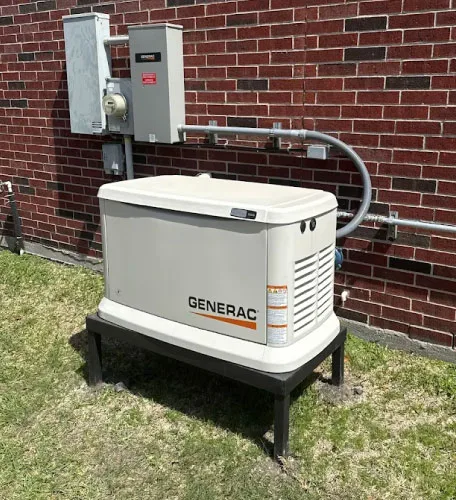
Why Houston Homeowners Trust Us for Transfer Switch Installation
NEC Code Compliance & Inspection-Ready
We don’t cut corners on electrical safety. Every transfer switch is installed according to the current National Electric Code, sized correctly for your panel and generator output, and wired to pass local inspection the first time. From proper grounding of the switch frame to correct wire gauging and conduit fill calculations, every detail is checked twice.
Licensed & Insured Electricians
Your home’s main electrical panel is no place for guesswork. Our technicians are licensed electricians with years of high-voltage panel work under their belts. We carry full liability insurance, maintain surety bonds, and carry workers’ compensation coverage for any crew member on your property.
Coordination with Permits & Inspections
We handle the paperwork side so you don’t have to. We pull the permits required in your jurisdiction, schedule the inspections, maintain all the documentation, and make sure everything is filed correctly with the building department. Your transfer switch passes inspection or we fix any issues at no charge.
Automatic Failover Reliability
The whole point of a transfer switch is reliability when the grid goes down. We install switches that respond instantly when power drops — usually within 100 milliseconds — and keep your critical circuits protected. We test the transfer sequence before we leave.
Up to Code for Your Specific Load
A transfer switch must be rated for the combined load of the circuits you’re backing up. We calculate your home’s actual electrical load by reviewing your service panel, identifying the circuits you want to back up, and totaling their simultaneous demand. Then we select the right switch size and ensure the wiring gauge matches.
Transparent Pricing & No Surprises
We quote the work upfront: switch cost, labor, permits, inspection fees, any required panel modifications, and contingencies. If we discover that your main panel doesn’t have space for a new breaker, we tell you before we start. No surprise bills when the inspector shows up.
Proud Members of Our Local Chambers of Commerce



What Houston-Area Homeowners Say
How We Install Your Transfer Switch
From the first load calculation to the final inspection, every step is documented and done to code — so your backup power system works when you need it most.
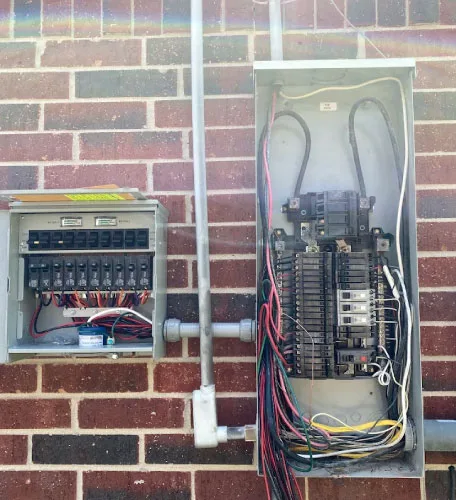
We review your home’s electrical panel and calculate the total load you plan to back up (which circuits will run on generator power). This determines the amperage rating of the switch — typically 100, 150, or 200 amps for residential homes. An undersized switch will trip immediately when the generator starts supplying power; an oversized one is unnecessary and expensive. We size it to your actual needs based on real circuit data.
Here’s what we analyze during this phase:
- We verify your home’s service entrance amperage (usually 100, 150, or 200 amps) and confirm the main panel can accommodate a transfer switch without modifications
- We walk through your entire electrical panel with you and identify which circuits you want to back up — typically HVAC systems, water heaters, refrigerators, critical lighting, and any other circuits essential to your family’s comfort during an outage
- We review the nameplate data on your HVAC unit, water heater, and other major loads to determine their actual current draw (not the breaker rating — the real operating amperage)
- We calculate the simultaneous load — how many of those circuits might run at the same time. If you run the AC and the water heater simultaneously, that’s the load. We don’t add every circuit sequentially; we’re realistic about what runs together
- We select the correct transfer switch amperage rating (usually 100 or 150 amps, rarely 200) based on your actual load plus a 20% safety margin
- We confirm that your generator, if you already own one, can handle that load. If not, we recommend the right generator size to match
In most Texas jurisdictions, transfer switch installation requires an electrical permit and a final inspection. We pull the permit, which gives the building department visibility into the work before we start. Permitting is not optional — it protects you by ensuring the work meets current code and it protects future homebuyers by creating an official record.
This phase also includes a thorough inspection of your electrical panel to catch any pre-existing code violations:
- We file the electrical permit application with your local jurisdiction (Pasadena, La Porte, Baytown, or your city) and pay all associated fees upfront — no surprise bills
- We schedule an inspection appointment with the building department and confirm they can accommodate the work timeline
- We conduct a complete panel inspection to identify any violations: missing knockouts, improper bonding, mismatched breakers, double-tapped breakers, or outdated equipment that’s no longer code-compliant
- If we find existing violations, we inform you upfront and work with you to decide whether to correct them as part of this project or document them separately
- We confirm that the panel has adequate space (usually 2–3 breaker slots) for the transfer switch load center connection
- We plan any necessary panel modifications, repairs, or upgrades that must happen before the switch arrives on-site
Once permits are approved and the utility company has de-energized your service (if required), we perform the core installation: rewiring your panel so incoming power flows through the transfer switch. This is where electricity gets rerouted — and it’s the most critical phase.
The transfer switch sits between two power sources (grid and generator) and one load (your home’s electrical panel). It’s a intelligent selector that prevents both sources from feeding your home at the same time — a condition called paralleling that would damage both the generator and the utility grid.
Our rewiring process includes:
- We verify the service is de-energized using a voltmeter before we open the panel — safety first, always
- We carefully disconnect the two main incoming utility lines (hot and neutral) from their current terminals
- We run heavy-gauge conduit and properly-sized wire from the utility disconnect point to the transfer switch inlet terminals
- We run matching conduit and wire from the transfer switch outlet back to your main breaker location, ensuring proper wire sizing based on the switch amperage and distance
- We carefully connect all wires to the correct terminals on both the transfer switch inlet and outlet, following the manufacturer’s wiring diagram exactly
- Every connection is torqued to manufacturer specification (usually 50–70 foot-pounds for residential switches) and double-checked with a torque wrench
- We label every wire and terminal using color-coded tape and permanent labels so any future electrician can understand the circuit instantly
- We install a weatherproof, lockable disconnect between the transfer switch inlet and the generator inlet — this isolates the generator for safe maintenance
The transfer switch connects your generator to the electrical panel via a heavy-gauge, weatherproof cable rated for full generator output. This is the final piece that completes the circuit. Once all connections are made and torqued, we perform a mock failover test to confirm everything works before the inspector arrives.
This testing phase is critical — we want to know if there’s a problem before an actual power outage exposes it:
- We run properly-sized, weatherproof cable from the generator’s outlet terminals directly to the transfer switch inlet, following the roughest path that protects the wire from foot traffic, weather, and damage
- We install disconnect switches and breakers at the generator and transfer switch inlets to allow safe isolation of the generator for maintenance
- We verify all connections are tight using a torque wrench, and label every wire and terminal for clarity
- We perform a manual transfer test by triggering the transfer switch while the grid is still live. The switch should cleanly transfer from grid to a simulated generator source (we don’t actually fire up the generator during this test)
- We test the reverse transfer, from the simulated source back to grid, and confirm the switch responds instantly
- We confirm that no circuits drop during either transfer direction
- We verify that the transfer switch audibly clicks (showing it’s mechanically moving) and that the utility disconnect visibly opens (showing the grid is being disconnected during generator operation)
- If the customer has a generator and wants to test it fully, we perform a live generator startup test: start the generator, trigger the transfer switch, confirm the home transfers to generator power, run the home on generator for a few minutes, then transfer back to grid and shut down the generator
The local building inspector visits to review and sign off on the installation. This is the official stamp that your transfer switch meets all current National Electric Code requirements and local amendments. Once the inspector approves, your transfer switch is live and your home is protected by an officially-compliant backup power system.
Our inspection preparation and handoff includes:
- We have the home ready for inspection: panel access clear, all work visible, no covers concealing connections
- The inspector reviews the installation against current National Electric Code and local electrical code amendments
- We explain the switch operation, show the wiring diagram, point out key safety features (proper grounding, correct wire sizing, disconnects)
- We demonstrate the transfer switch operation: manual transfer from one source to the other, showing the mechanical action and the visual indicators
- We walk the inspector through the permit paperwork, load calculations, and any panel modifications we made
- The inspector conducts their testing (usually including continuity checks on the grounding and a visual inspection of all terminations)
- Once approved, the inspector issues a final certificate of compliance — this is proof that the work meets code and is insurable
- We provide you with a complete packet: the certificate of compliance, a full set of electrical schematics showing the switch, generator, and panel connections, instructions on operating the transfer switch and starting your generator, maintenance recommendations, and a warranty document covering our labor and the switch equipment
Ready to Move Forward with Generator Backup Power?
Fill out the form and we’ll send you a detailed quote, including switch cost, installation, and permit fees. Contact us for a quote, explore our generator installation service, or see our maintenance plans.
Financing Your Transfer Switch Installation
A transfer switch is an essential safety component for any whole home generator system — and it shouldn’t strain your budget. LMH Services partners with Wisetack for flexible financing, so you can install the properly-sized switch your home needs and pay over time.
Financing Benefits


LMH Services has partnered with Wisetack to give you more ways to pay. Wisetack lets you check your options in seconds with no impact to your credit score, and offers simple monthly payment plans without the financial stress.
Keep Your System Running Strong with a Maintenance Plan
Protect your transfer switch investment. A maintenance plan from LMH Services keeps your backup power system reliable, extends its lifespan, and catches small issues before they become costly failures — for both Deer Park homes and businesses across the greater Houston area.
Our Maintenance Plans Include
24 Hour Service Available
Plan members get priority access to our 24/7 emergency service line
Prompt, Local Service
We are locally operated in Deer Park and respond quickly
Expert Technicians & Installers
Thorough inspections that catch small issues before they become expensive repairs
Residential & Commercial
Plans tailored to homeowners and business owners alike
Transfer Switch Service Areas in Greater Houston
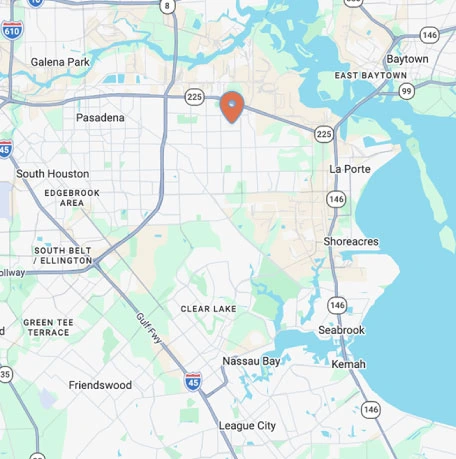
LMH Services installs transfer switches and connects generators throughout the greater Houston area from our home base in Deer Park, TX. Wherever you are in our service area, you get the same licensed electricians, permit coordination, and warranty-backed workmanship.
Serving Communities Around:
Not Sure If We Service Your Area?
Chances are we can help! We’ve served the southern Houston area for a while, so please call 832-800-4564 or contact us today to see if we come out to your area.
Transfer Switch Installation Questions Homeowners Ask
A manual transfer switch requires you to physically flip a lever to switch between grid and generator power — which means someone has to notice the outage and react. An automatic transfer switch detects the power loss instantly and switches over without any action on your part. We recommend automatic switches for most homes; they’re more expensive upfront but eliminate the human element during an emergency.
No. Transfer switch installation involves disconnecting your home from the utility grid and rewiring your main electrical panel. In most states, this work requires a licensed electrician. More importantly, if the switch isn’t wired correctly, you risk backfeeding power to the grid — which can electrocute a utility worker. Always hire a licensed professional.
The installation itself typically takes 4–6 hours once permits are approved and we have utility approval to de-energize the service. The entire process — permit, installation, and inspection — usually spans 5–10 business days depending on your local inspector’s availability. We’ll give you a timeline when you call.
Yes — we de-energize your service to work safely on the main panel. Your home will have no power while we’re rewiring. The outage typically lasts 2–4 hours. We recommend scheduling this work for a day when you’ll be home to manage the outage.
Most residential transfer switches connect directly to the main panel. The switch sits between the utility service and your main breaker, so it controls which power source (grid or generator) feeds your entire electrical system. Some installations with specific load requirements may use a subpanel, but that’s rare and we’ll discuss it upfront if it applies to your home.
The size depends on your service entrance amperage and the load you want to back up. If your home has a 200-amp service and you want to back up everything, you’ll need a 200-amp transfer switch. If you only want to back up critical loads (like your HVAC and water heater), you might use a smaller switch. We calculate this during the consultation.
Transfer switches must be installed indoors in a dry location — typically on or next to your main electrical panel. If your panel is in a garage or utility room, the switch goes there. If your panel is outside, we’ll install the switch just inside the nearest wall. Local code determines the specifics, and we verify placement with the inspector.
Your generator’s kilowatt output determines how many circuits it can power at once, but the transfer switch itself doesn’t care about generator size — it only cares about amperage at the switch. That said, your generator should be sized to handle the simultaneous load of the circuits you’re backing up. An undersized generator will overload and shut down during an outage. We size both the generator and the switch to match.
If you already own a generator, we’ll assess whether it’s compatible with the transfer switch. Most portable and standby generators can be connected to a properly wired switch. If your generator is incompatible or underpowered for the circuits you want to back up, we’ll recommend an upgrade. We’ll always be transparent about what’s needed.
Yes. Every jurisdiction we serve requires a permit for transfer switch work. The permit tells the building department what’s being installed, allows them to inspect the work, and protects you by ensuring the installation meets code. We pull the permit as part of our service — it’s included in the quote.
Get Professional Transfer Switch Installation in Greater Houston
Your home’s main electrical panel is no place for guesswork. Our technicians are licensed electricians with years of high-voltage panel work under their belts. We carry full liability insurance and workers’ compensation coverage for any crew member on your property.
We pull all required permits, schedule the inspections, maintain all the documentation, and make sure everything is filed correctly with the building department. Your transfer switch passes inspection or we fix any issues at no charge.
We install switches that respond instantly when power drops — usually within 100 milliseconds — and keep your critical circuits protected. We test the transfer sequence before we leave: manual trigger, grid disconnect, generator feed, then transfer back to grid.
We calculate your home’s actual electrical load by reviewing your service panel, identifying the circuits you want to back up, and totaling their simultaneous demand. Then we select the right switch size and ensure the wiring gauge matches.
We quote the work upfront: switch cost, labor, permits, inspection fees, any required panel modifications, and contingencies. If you’re ready to protect your home with backup power, contact us today for a detailed estimate.