Annual Furnace Maintenance for Greater Houston Homes
A furnace that runs problem-free all winter is one that’s been properly maintained. LMH Services’ annual furnace tune-ups catch wear patterns before they become costly breakdowns, verify safe operation, and extend your system’s lifespan by years. Schedule your pre-winter tune-up today to ensure reliable heating when cold weather arrives.
Get a Free Estimate
Request service, book online, get a free estimate, ask about financing, or schedule routine maintenance.
Schedule Your Service For urgent issues, calling 832-800-4564 is the fastest way to reach us.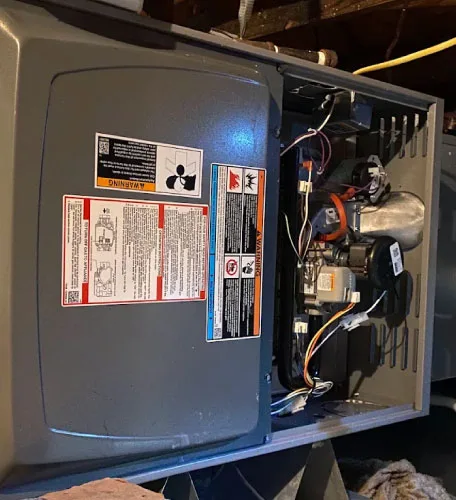
Why Greater Houston Homeowners Invest in Annual Furnace Maintenance
Prevent Winter Emergencies Before They Happen
A furnace breakdown on the coldest night of the year is more than inconvenient—it’s a safety crisis for families with young children, elderly members, or health vulnerabilities. Annual maintenance identifies failing ignition systems, worn bearings, blocked filters, and pressure problems during milder weather. Early intervention prevents costly emergency repair bills that often run significantly higher than maintenance cost. Our customers who maintain their furnaces almost never experience winter heating loss.
Verify Safety Through Professional Testing
Gas furnace safety depends on three critical factors: proper gas pressure (not too low or dangerously high), complete combustion (no carbon monoxide leaks), and adequate venting (no back-drafting). Homeowner visual inspection can’t detect these hazards. Our technicians measure gas pressure with professional gauges, test combustion byproducts with CO monitors, and verify venting integrity. We document all test results so you have proof of safe operation—important for insurance, resale, and peace of mind.
Extend Furnace Lifespan Through Preventive Care
Furnaces naturally accumulate dust and debris over time. Left untouched, this buildup restricts airflow, reduces heat transfer, and accelerates component wear. An unmaintained furnace deteriorates faster and may need replacement at 12–14 years instead of the normal 15–20 year lifespan. Annual professional cleaning and inspection prevent this early decline and give you 5–8 extra years of reliable operation from your equipment investment.
Keep Your Equipment Running at Peak Efficiency
A furnace clogged with dust, running on incorrect gas pressure, or operating with a worn blower motor uses more fuel to produce the same amount of heat. Inefficient operation means higher gas bills every winter. Our maintenance tune-ups clean the burner and heat exchanger, verify optimal gas pressure, test the blower motor, and ensure all components are working as designed. The energy savings from a properly maintained furnace often pay for the annual tune-up cost.
Catch Repair Needs While They’re Still Manageable
During maintenance, we often discover components that are on the verge of failure—a thermostat that’s drifting out of calibration, a blower motor bearing starting to wear, a control board showing early signs of corrosion. Replacing these components now, while they’re still functioning, prevents emergency failures and gives you time to budget for repairs rather than facing an urgent, expensive service call.
Proud Members of Our Local Chambers of Commerce



What Houston-Area Homeowners Say
What to Expect During Your Furnace Maintenance Visit
From the first visual inspection to the final safety testing, every step is documented and done to code — so your furnace operates safely and efficiently all winter long.
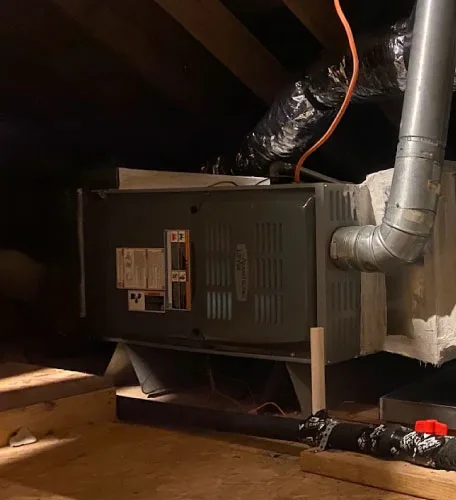
We schedule furnace maintenance in fall (August through October) to give you time before the first cold snap. When you book, we ask a few quick questions: Has your furnace been running? Have you noticed any smells, sounds, or performance changes? Do you have a smart thermostat or traditional dial thermostat? This context helps us prepare for your visit.
We recommend scheduling maintenance even if your furnace ran fine last winter—seasonal wear and summer dormancy can introduce hidden problems. Many customers prefer routine fall appointments (same day each year) so maintenance becomes automatic.
Our technician arrives and begins with a thorough visual inspection of the entire furnace:
- Cabinet and Housing — We check for rust, corrosion, moisture stains, cracks, or physical damage. Rust signals moisture intrusion (condensation issue). Cracks or visible damage can affect safe operation.
- Gas Connections and Lines — We inspect all gas line fittings, connections, and tubing for corrosion, damage, or loose connections. Corroded fittings can leak; loose connections can introduce air into the gas line, causing incomplete combustion.
- Electrical Connections and Control Board — We examine the control board for corrosion, burnt marks, or loose wiring. We verify that all electrical connections are tight and properly seated.
- Exhaust Venting — We check the flue pipe or vent connection for cracks, blockages, corrosion, or improper installation. A blocked or leaking vent is a serious safety issue.
- Blower Compartment and Motor — We look at the blower assembly for dust accumulation, bearing condition, and motor mounting. Excessive dust restricts airflow; worn bearings make noise and eventually fail.
If we spot any concerns during visual inspection, we note them for detailed testing later.
A clean air filter is critical for airflow, efficiency, and furnace lifespan. We check your current filter:
- Filter Condition — Is it clean or clogged with dust and debris? A severely clogged filter restricts airflow, reduces heating capacity, and forces the furnace to work harder and cycle more frequently.
- Filter Type and Fit — Is it the correct size and type for your furnace? Some filters are 1-inch thick (basic); others are 4-5 inches (high-MERV filters for better dust capture). Wrong-size filters bypass dust and don’t function properly.
- Replacement if Needed — If the filter is clogged or overdue, we replace it with the correct size and efficiency grade. A clean filter is the single easiest way to maintain furnace performance.
We discuss filter-change frequency: most homes need new filters every 1–3 months depending on household dust, pet dander, and filter type. We provide guidance so you can maintain clean airflow between service visits.
The thermostat controls when your furnace runs. An inaccurate thermostat causes short-cycling, failure to reach setpoint, or continuous operation. We test:
- Temperature Accuracy — We place a calibrated reference thermometer near the thermostat and compare its reading to the thermostat’s display. If readings differ by more than 1–2°F, the thermostat is drifting out of calibration.
- Heating Signal — We set the thermostat slightly above room temperature to confirm it properly calls for heat. We observe whether the furnace responds immediately or with a delay, which indicates proper or problematic wiring.
- Display and Controls — On digital thermostats, we verify the display is clear, buttons are responsive, and the unit is powering properly. On programmable/smart thermostats, we confirm the schedule is set correctly and the unit is responding to commands.
If the thermostat is drifting out of calibration or showing age, we discuss replacement options. A modern programmable or smart thermostat can significantly improve comfort and energy efficiency.
The ignition system lights the furnace’s burner. Without reliable ignition, your furnace won’t heat. We test:
- Hot Surface Igniter (Modern Furnaces) — We observe the igniter element during startup. Does it glow when the control board calls for heat? We measure the glow temperature to confirm it’s hot enough to ignite gas. A weak or non-glowing igniter is near failure and should be replaced proactively.
- Spark Ignition System — On some furnaces, a spark plug ignites gas instead of a hot surface igniter. We verify that spark is present when called and that the spark is consistent and strong.
- Pilot Light (Older Furnaces) — On furnaces with standing pilot lights, we verify the pilot is burning steadily and that the thermocouple (safety device that confirms the pilot is lit) is responding correctly.
An aging igniter often fails during cold snaps when your furnace runs continuously. Replacing it during maintenance prevents mid-winter failure.
Proper combustion depends on clean burner surfaces, correct gas pressure, and adequate air supply. We test:
- Burner Condition — We visually inspect the burner assembly for rust, corrosion, or carbon buildup. Rust and corrosion reduce gas flow efficiency; carbon deposits need careful cleaning.
- Burner Flame Quality — When we call for heat, we observe the burner flame. A healthy furnace produces a blue flame, indicating complete combustion. An orange or yellow flame suggests incomplete combustion (possible air shortage or dirty burner) or safety concerns.
- Gas Pressure — We connect a manometer (pressure gauge) to measure gas pressure at the furnace inlet. Natural gas furnaces operate at 3.5–4 inches of water column pressure. Pressure that’s too low (utility issue or regulator failure) or too high (gas control valve problem) affects heating performance and safety.
If combustion shows any irregularities—wrong flame color, incorrect pressure, or visible corrosion—we clean the burner, verify gas supply, or recommend component replacement.
The heat exchanger transfers heat from combustion into your home’s air. A cracked heat exchanger is dangerous (allows carbon monoxide to escape into your home). We inspect:
- Visual Inspection for Cracks or Corrosion — We look for visible cracks, holes, or severe corrosion on the heat exchanger surfaces. We also check for signs of past leaking (rust discoloration, corrosion patterns) that might indicate hairline cracks.
- Heat Transfer Verification — We verify that warm air is properly flowing from the heat exchanger into your ductwork. If the exchanger is blocked with dust or rust, heat transfer is poor and heating performance suffers.
If we detect or suspect a cracked heat exchanger, we immediately stop the furnace and recommend replacement. A cracked exchanger cannot be safely repaired—replacement is the only safe solution.
The blower motor circulates warm air throughout your home. A failing blower means reduced heating. We test:
- Blower Motor Startup — When the furnace calls for heat, does the blower motor start immediately or with a delay? Delayed startup suggests a failing capacitor (common wear item) or motor bearing issues.
- Blower Noise and Vibration — We listen and feel the blower assembly. Squealing indicates bearing wear; grinding indicates imminent motor failure. Rattling suggests loose components inside the unit.
- Airflow Through Ducts — We feel warm air at return and supply vents. Strong, even airflow indicates healthy blower performance. Weak or uneven airflow suggests blower motor fatigue, belt slippage (on older units), or duct blockages.
If the blower is making noise or producing weak airflow, motor replacement during maintenance prevents winter breakdown.
Furnaces have safety switches that shut down the system if dangerous conditions develop. We verify they’re functioning:
- Limit Switch — This switch prevents the furnace from overheating. If heat builds up beyond a safe threshold, the limit switch trips and stops the burner. We confirm the switch responds properly to temperature changes.
- Rollout Switch — This switch detects flames escaping the combustion chamber (indicating a venting problem) and shuts down the furnace. A properly functioning rollout switch is essential for safety.
- Gas Valve Solenoid — We verify the gas valve solenoid (the electromagnet that opens the gas valve when called) is responsive and closing properly after the heating cycle ends.
If switches are stuck, sluggish, or non-responsive, we recommend replacement to maintain safety integrity.
Safety testing is mandatory on every maintenance visit. We perform:
- Carbon Monoxide Testing — We place CO detectors in the furnace area and throughout your home. We run the furnace under load for a full heating cycle and monitor for any CO leaks. A properly maintained furnace produces zero detectable carbon monoxide. If we find any CO, we immediately identify the source (usually a venting problem) and address it.
- Gas Leak Detection — We use a sensitive gas detector to inspect all gas line connections, the furnace inlet, and the gas valve. Any leaks are immediately tagged and repaired.
- Backdraft Testing — We verify that the furnace venting doesn’t create negative pressure in your home, which could pull dangerous gases back inside.
All test results are documented and provided to you.
We verify warm air distribution throughout your home:
- Ductwork Inspection — We visually check accessible ductwork for leaks, blockages, or disconnections. A well-sealed duct system ensures your furnace heating reaches all areas of your home efficiently.
- Airflow Balance — We check that warm air flows evenly to all rooms. If some rooms are significantly warmer or colder than others, we may identify damper adjustments or duct issues that need attention.
If ductwork needs sealing, insulation, or cleaning, we discuss options and provide recommendations.
Before we leave, we provide a comprehensive written report documenting:
- All Test Results — Gas pressure readings, combustion testing, CO testing, thermostat accuracy, blower performance, safety switch verification.
- Any Issues Found — Components that are functioning normally, components showing early wear (worth watching), and components that need replacement soon or immediately.
- Maintenance Recommendations — Specific actions you can take to maintain your furnace between professional visits (filter changes, clearing obstructions, monitoring for unusual sounds or smells).
- Equipment Lifespan and Repair Economics — If your furnace is aging (12+ years), we discuss typical remaining lifespan and when replacement might become economical.
We answer all your questions and discuss any concerns about your furnace’s condition. If you have questions between visits, you have a documented baseline to reference.
Protect Your Investment With Annual Furnace Maintenance
Pre-winter is the ideal time for furnace tune-ups—scheduling in fall ensures your system is fully ready before heating season. Scheduling in winter when your system is running increases the odds of discovering a problem during active use, when fixing it becomes urgent. Contact us today to book your annual inspection and get peace of mind for the heating season ahead.
Financing Your Furnace Maintenance
Annual furnace maintenance is an affordable investment in your home’s comfort and safety. LMH Services partners with Wisetack for flexible financing options, and our maintenance plans provide annual service at a discounted rate.
Financing Benefits


LMH Services has partnered with Wisetack to give you more ways to pay. Wisetack lets you check your options in seconds with no impact to your credit score, and offers simple monthly payment plans without the financial stress.
Keep Your System Running Strong with a Maintenance Plan
Protect your furnace investment. A maintenance plan from LMH Services keeps your system efficient, extends its 15–20 year lifespan, and catches small issues before they become costly failures — for both Deer Park homes and businesses across the greater Houston area.
Our Maintenance Plans Include
24 Hour Service Available
Plan members get priority access to our 24/7 emergency service line
Prompt, Local Service
We are locally operated in Deer Park and respond quickly
Expert Technicians & Installers
Thorough inspections that catch small issues before they become expensive repairs
Residential & Commercial
Plans tailored to homeowners and business owners alike
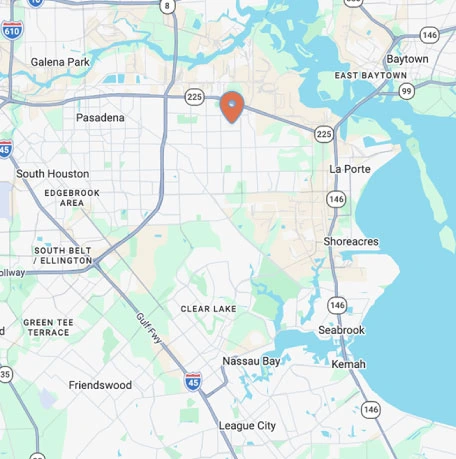
Furnace Maintenance Across Greater Houston
LMH Services provides annual furnace tune-ups throughout Greater Houston from our home base in Deer Park, TX. Wherever you are in our service area, you get the same comprehensive safety testing, performance verification, and detailed reporting.
Serving Communities Around:
Not Sure If We Service Your Area?
Chances are we can help! We’ve served the southern Houston area for a while, so please call 832-800-4564 or contact us today to see if we come out to your area.
Furnace Maintenance Questions Homeowners Ask
Annual pre-winter maintenance is the industry standard. One tune-up per year (in fall, before heating season) catches seasonal wear and ensures safe operation. Some homes with pets or dusty conditions may benefit from twice-annual maintenance.
August through October is ideal—after summer dormancy and before the first cold snap. Fall maintenance ensures your system is fully ready before heating season begins.
Annual furnace tune-ups at LMH Services are very affordable, especially when you enroll in our maintenance club, which provides annual service at a discounted rate. We provide a detailed estimate upfront before beginning any work.
Simple maintenance like filter changes is manageable, but professional testing requires specialized tools and certification. Professional maintenance is essential for safety and warranty coverage—DIY cannot catch hidden safety issues like carbon monoxide leaks.
Maintenance plans prevent breakdowns; emergency service calls address failures after they occur. Plans cost far less than one emergency repair, especially in winter. Maintenance also extends furnace lifespan by 5–8 years, effectively adding value to your equipment.
We explain all findings clearly and provide repair estimates before proceeding. Some repairs are often included in maintenance. Major component replacements are quoted separately, and you decide whether to proceed immediately or schedule later.
Proper maintenance is required by most furnace manufacturers to maintain warranty coverage. Regular professional maintenance proves you’re maintaining equipment properly and keeps your warranty valid and enforceable.
A well-maintained furnace typically lasts 15–20 years. Armstrong furnaces that are serviced regularly often reach 18–20 years of reliable operation. Neglected furnaces may fail at 12–14 years—a difference of thousands in replacement costs.
Yes. A clean furnace operating at proper gas pressure and blower efficiency uses less fuel to produce heat. Energy savings typically range from 5–15% depending on furnace condition. Savings often pay back the annual maintenance cost within one or two seasons.
Maintenance is preventive—catch wear before failure occurs. Repair is corrective—fix something already broken. Maintenance prevents the majority of failures and is far cheaper than emergency repair.
Schedule Your Annual Furnace Tune-Up Today
We test gas pressure, combustion quality, carbon monoxide levels, and venting integrity with professional equipment. All test results are documented so you have proof of safe operation for insurance, resale, and peace of mind.
Annual maintenance identifies failing ignition systems, worn bearings, blocked filters, and pressure problems during milder weather. Early intervention prevents costly emergency repair bills that often run significantly higher than maintenance cost.
A well-maintained furnace typically lasts 15–20 years. Armstrong furnaces that are serviced regularly often reach 18–20 years of reliable operation. Neglected furnaces may fail at 12–14 years—a difference of thousands in replacement costs.
A clean furnace operating at proper gas pressure and blower efficiency uses less fuel to produce heat. Energy savings typically range from 5–15% depending on furnace condition. Savings often pay back the annual maintenance cost within one or two seasons.
Before we leave, we provide a comprehensive written report documenting all test results, any issues found, and maintenance recommendations. If you have questions between visits, you have a documented baseline to reference.