
Package Unit Repair & Service in Greater Houston
Package units are complex systems—combining cooling, heating, and air circulation in one cabinet makes them powerful but also prone to multiple failure points. When your package unit stops cooling, won’t heat, or is making noise, LMH Services sends certified technicians who diagnose the exact problem, explain your repair options, and restore your comfort. We handle refrigerant leaks, compressor failures, heating element issues, and control board malfunctions.
Get a Free Estimate
Request service, book online, get a free estimate, ask about financing, or schedule routine maintenance.
Schedule Your Service For urgent issues, calling 832-800-4564 is the fastest way to reach us.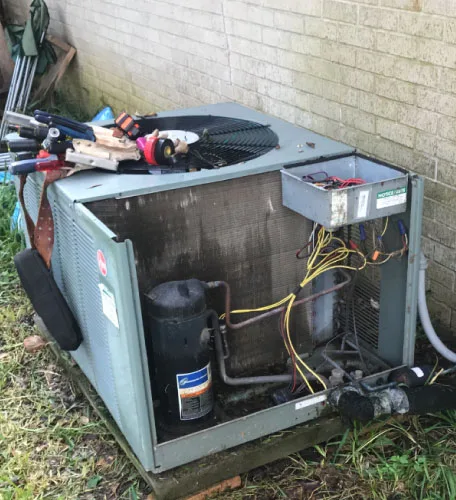
What Sets Our Package Unit Repair Service Apart
Methodical Diagnosis for Multi-System Failures
A package unit failure could originate in cooling, heating, airflow, or controls—troubleshooting is layered. Is the system not cooling because of low refrigerant, a failing compressor, or blocked airflow? Is heating missing because of a failed electric element or because of heating control circuit failure? Our technicians use systematic testing (pressure gauges, electrical meters, airflow verification, heating element checks) to isolate the exact failure source. This precision saves you from paying for unnecessary parts and ensures we fix the real problem, not a symptom.
Armstrong Expertise from Years of Rooftop Service
Package units sit exposed to Houston weather—temperature swings, humidity, and occasional dust storms accelerate wear. We’ve diagnosed thousands of Armstrong package unit failures. We know which components wear first, how environmental stress manifests as specific failures, and what repair strategies work best. This hands-on experience guides every repair decision.
Repair vs. Replace Economics You Can Trust
Package unit compressor replacement is expensive—sometimes 40–50% of a new unit price. Some repair shops recommend replacement too eagerly. We evaluate the actual cost of repair versus replacement, accounting for your system’s age, the repair scope, and long-term ownership. Is your 8-year-old package unit failing because of an affordable capacitor? Repair. Is your 16-year-old unit failing because of compressor damage? Replacement likely makes more financial sense.
Rapid Response to Keep You Comfortable
In Houston’s summer heat, package unit failure is urgent. We offer same-day service and emergency availability for after-hours calls. We understand that losing cooling affects families with vulnerable members (elderly, young children, heat-sensitive conditions). We treat every repair call with appropriate urgency.
Complete Diagnostic Report and Warranty Protection
Before we start work, we explain the problem, show you test results, present your repair options with costs, and get your approval. Our repairs carry a 1-year parts and labor warranty—if a component we repaired fails due to our work, we fix it at no charge.
Proud Members of Our Local Chambers of Commerce



What Houston-Area Property Owners Say
How We Diagnose and Repair Your Package Unit
From the first symptom assessment to the final system test, every step is methodical and documented — so we fix the real problem, not just the symptoms.

When you call, we ask: What’s failing (no cooling, no heating, noise, leaking, won’t start)? How long has it been happening? Is this an emergency (family discomfort from heat or cold)? What’s the age and model of your package unit? Do you know if it’s rooftop or ground-level? This intake shapes our dispatch priority and the diagnostic tools we bring.
For emergencies, we prioritize same-day response. For scheduled appointments, we arrange convenient timing and review your system’s service history if available.
Our technician arrives and visually assesses the package unit: Is the outdoor unit running (compressor, fan)? Are condenser coils visibly dirty or blocked? Is there oil residue suggesting a leak? Are there visible cracks or corrosion? For ground-level units, we check for water pooling or grading issues. For rooftop units, we check mounting security and vibration isolation pad condition.
We also check your thermostat: Is the display active? Are the batteries working? Is it set to the correct mode (heat vs. cool)?
If cooling is weak or absent, we connect refrigerant gauges to the system’s low-side and high-side ports. These gauges show whether:
- Pressure is too low — Indicates refrigerant leak, undercharge, or a blocked metering device
- Pressure is too high — Indicates overcharge, condenser airflow blockage, or non-condensible gas contamination
- Pressure is normal — Indicates the cooling circuit is intact, so the problem lies elsewhere (compressor, airflow, controls)
Pressure readings are the foundation of accurate AC diagnosis.
For cooling failures with low pressure readings, we calculate superheat (low-side measurement) and subcooling (high-side measurement) to determine exact charge level. This eliminates guesswork:
- Superheat too high — Refrigerant is undercharged or there’s a metering device restriction
- Subcooling wrong — Refrigerant is overcharged or high-side pressure is abnormal
Correct charge is critical; both overcharge and undercharge reduce efficiency and strain components.
We test capacitors (most common failure), contactor coil, compressor windings, fan motor, and heating element using multimeters and capacitance testers. Bad capacitors prevent the compressor or fan from starting—a cheap, quick repair. Heating element failure (for electric units) is also straightforward to diagnose and fix.
If electrical components test good, we measure compressor winding continuity and resistance. Dead or abnormal windings indicate compressor failure, which is expensive and often drives a replacement decision.
For packages units with heating failures, we test based on the heating type:
Electric heating — We verify the heating element continuity and element switch activation. Failed elements must be replaced; the repair is straightforward.
Gas heating — We check gas supply at the valve, ignition continuity, flame sensor operation, and control board signaling. Gas heating failures may require technician-level diagnosis and repair.
Heat pump heating — We verify refrigerant flow in heating mode using gauges, test the reversing valve solenoid, and check heating controls. Heat pump heating is complex and requires systematic pressure testing.
We verify that return air is flowing freely (no blocked filter, no closed vents). We check the outdoor condenser coil for dirt and blockage—clogged coils reduce heat rejection and cooling capacity. For indoor evaporator coils, we feel for cold spots (proper refrigerant circulation) and check for ice or frost.
Weak cooling from poor airflow is often a fix that prevents future problems and improves efficiency.
If pressure tests show undercharge and we suspect a leak, we use electronic leak detectors to scan all refrigerant lines, connections, the condenser coil, and the compressor. We locate the leak source (outdoor line connection, indoor-outdoor line set, coil seam, valve).
Small leaks in accessible locations (like a line fitting) are quick solders. Leaks inside a coil or compressor seal indicate major repair or replacement.
Once testing is complete, we explain findings clearly: “Your low-side pressure is reading 40 PSI when it should be 65 PSI. We found a slow leak in the outdoor liquid line connection. Your compressor and electrical components test fine. We can solder the connection and recharge for [cost]. Alternatively, if you want a new system for warranty peace of mind, that would be [cost]. Either way, you’ll have full cooling.” We don’t pressure you—we answer questions and give you time to decide.
Once approved, we proceed with the repair. This may include:
- Soldering refrigerant line leaks — We purge nitrogen, solder the connection, pressure-test the repair, evacuate (remove air and moisture), and recharge with exact refrigerant specifications
- Capacitor or contactor replacement — Quick swap, verify compressor or fan starts, test cooling/heating
- Heating element replacement (electric units) — Replace element, test heating operation
- Compressor replacement — Requires full refrigerant evacuation, compressor swap, receiver-dryer replacement (mandatory), evacuation, and recharge with new refrigerant
- Control board replacement — Verify wiring, program if necessary, test all modes
All work follows EPA refrigerant handling and recovery regulations.
After repair, we run the system through full cooling and heating cycles. We verify pressure readings are correct, superheat and subcooling are in spec, condenser outlet temperature is warm, and evaporator outlet is cold. We verify that heating mode works (element glows, gas ignites, or heat pump reverses correctly). We test both high and low fan speeds and confirm the thermostat cycles the system normally.
We explain what we fixed, why it failed, and what maintenance habits prevent future occurrences. We discuss whether regular package unit maintenance can catch similar issues early. Many homeowners pair their repair with an annual maintenance plan to avoid future emergencies.
Get Professional Package Unit Repair
If your system is weak on cooling, not heating, making noise, leaking refrigerant, or showing error codes, contact us today for professional diagnosis.
Financing Your Package Unit Repair
Major package unit repairs shouldn’t strain your budget. LMH Services partners with Wisetack for flexible financing, so you can restore your comfort and pay over time.
Financing Benefits


LMH Services has partnered with Wisetack to give you more ways to pay. Wisetack lets you check your options in seconds with no impact to your credit score, and offers simple monthly payment plans without the financial stress.
Keep Your System Running Strong with a Maintenance Plan
Protect your package unit investment. A maintenance plan from LMH Services keeps your system efficient, extends its lifespan, and catches small issues before they become costly failures — for both Deer Park homes and businesses across the greater Houston area.
Our Maintenance Plans Include
24 Hour Service Available
Plan members get priority access to our 24/7 emergency service line
Prompt, Local Service
We are locally operated in Deer Park and respond quickly
Expert Technicians & Installers
Thorough inspections that catch small issues before they become expensive repairs
Residential & Commercial
Plans tailored to homeowners and business owners alike
Package Unit Repair Across Greater Houston
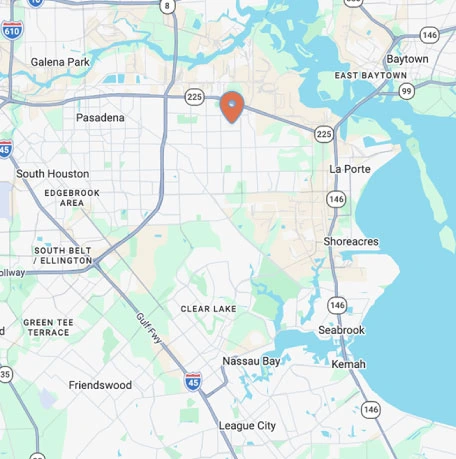
LMH Services repairs package unit systems throughout the greater Houston area from our home base in Deer Park, TX. Wherever you are in our service area, you get the same methodical diagnosis, transparent pricing, and warranty-backed workmanship.
Serving Communities Around:
Not Sure If We Service Your Area?
Chances are we can help! We’ve served the southern Houston area for a while, so please call 832-800-4564 or contact us today to see if we come out to your area.
Package Unit Repair Questions Homeowners Ask
Simple fixes like capacitors, heating elements, or small refrigerant leaks are the most affordable repairs. Major work like compressor replacement, control board issues, or extensive leak repair costs significantly more. We provide a detailed repair estimate before starting any work, so you know the cost upfront and can make an informed decision about whether to repair or replace your system.
Repair typically makes sense if your unit is under 12 years old and the repair costs less than 40% of a new system price. If your unit is 15+ years old, the compressor is failing, or repair exceeds 50% of replacement cost, replacement often makes more financial sense. We present the full cost-of-ownership analysis so you decide based on facts.
Yes. If recharging with new refrigerant doesn’t restore cooling, the problem is likely internal—a failed compressor, a blocked metering device, or a frozen or damaged coil. We run comprehensive pressure and temperature diagnostics to identify the exact issue. We measure superheat and subcooling to verify charge accuracy and test compressor operation under load. Many of these repairs are possible; some (like major compressor failure with internal damage) may suggest replacement is more economical.
Grinding typically indicates compressor bearing wear or internal mechanical damage. Continued operation with grinding noises risks sudden catastrophic compressor failure within days or weeks, potentially causing refrigerant contamination throughout your system. We recommend stopping operation immediately and calling for professional diagnosis. Repair involves compressor replacement. Given the expense of compressor work, we’ll help you evaluate whether replacement or repair makes more financial sense based on your unit’s age and overall condition.
Signs include weak cooling despite continuous operation, high-pitched hissing from refrigerant lines, oil stains and dark residue on the cabinet or ground, and pressure readings below normal. We use electronic leak detectors to scan all lines, connections, and coils to pinpoint the exact location. Small leaks at accessible fittings are straightforward to repair; large leaks or leaks inside sealed coils require more extensive work.
Yes. Heating failures depend on your heating type. Electric heating failures usually involve a burned-out heating element, which is straightforward to replace. Gas heating failures might be ignition system problems, flame sensor issues, or fuel supply problems requiring gas line diagnostics. Heat pump heating failures involve refrigerant flow issues, reversing valve solenoid problems, or control board malfunctions. We diagnose systematically to determine the exact repair scope and present your options with transparent cost information.
Rooftop package units are inherently noisier than split systems because the compressor sits directly above your building instead of in a distant yard corner. Normal operational noise measures 75–85 decibels (similar to a lawnmower running). However, increased noise levels, new grinding sounds, squealing from fan motors, or rattling from loose components all indicate developing problems. Any new or changed noise pattern warrants professional diagnosis to prevent component failure.
Stop operation immediately. Continued running with refrigerant loss can destroy the compressor within hours by running it dry and causing internal bearing damage. Call us for emergency service right away. We locate the leak using electronic detection equipment, repair or replace the failed component, evacuate the system to remove air and moisture, and recharge with manufacturer-specified refrigerant. Prompt action prevents expensive compressor damage and keeps repair costs manageable.
No. Refrigerant work requires EPA Section 608 certification and proper equipment including refrigerant gauges, vacuum pumps, and leak detection tools. DIY recharging often overcharges the system, which damages the compressor and other components while voiding manufacturer warranties. We charge systems to exact specifications based on measured superheat and subcooling values—not guesswork or feel—ensuring your system runs efficiently and safely.
Yes. We offer same-day and after-hours emergency service for cooling and heating failures that affect your family’s comfort and safety. We understand that losing air conditioning in Houston’s summer heat or heating during cold snaps is urgent, especially for families with young children, elderly members, or health conditions affected by temperature extremes. Call 832-800-4564 to reach our emergency dispatcher and we’ll prioritize your service call.
Get Fast, Reliable Package Unit Repair in Greater Houston
Package unit failures disrupt comfort, especially in Houston’s heat and humidity. LMH Services sends certified technicians who diagnose the exact problem using industry-standard testing, explain your repair options with upfront costs, and execute the repair reliably.
Our repairs are warranted for 1 year—if we repair something and it fails due to our work, we fix it at no charge. We offer emergency same-day service and after-hours availability because cooling and heating failures are urgent.
We handle simple fixes (capacitors, elements, small leaks) and complex diagnostics (compressor failures, heating control issues, refrigerant problems). Whether your package unit won’t cool, won’t heat, is making noise, or showing error codes, call us for professional diagnosis and repair.
We evaluate the actual cost of repair versus replacement, accounting for your system’s age, the repair scope, and long-term ownership. You get honest recommendations based on facts, not sales pressure.
We explain what we fixed, why it failed, and what maintenance habits prevent future occurrences. Many homeowners pair their repair with an annual maintenance plan to avoid future emergencies.