Furnace Repair & Service in Greater Houston
When your furnace stops heating during winter—or worse, during a rare Texas cold snap—you need a technician who diagnoses quickly, explains your repair options honestly, and gets your home warm again. LMH Services responds fast with certified heating specialists who identify the failure, verify safety, and restore reliable operation. From ignition failure to heat exchanger cracks, we handle the full range of furnace problems.
Get a Free Estimate
Request service, book online, get a free estimate, ask about financing, or schedule routine maintenance.
Schedule Your Service For urgent issues, calling 832-800-4564 is the fastest way to reach us.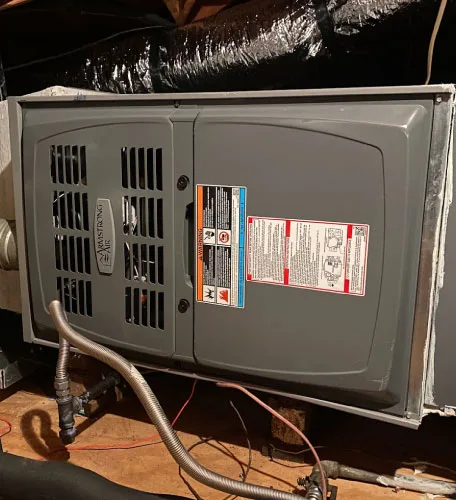
What Sets Our Furnace Repair Service Apart
Precision Diagnosis Over Guesswork
A furnace that won’t heat is a symptom, not a solution. Our technicians don’t recommend blanket replacements or swap parts until something works. We systematically test ignition, gas pressure, flame, blower operation, thermostat response, and airflow to isolate the exact failure. Accurate diagnosis saves you money on unnecessary parts and prevents repeat callbacks.
Honest Repair-vs-Replace Economics
When a furnace fails, replacement companies profit by recommending new equipment. We evaluate whether the repair extends useful life economically. Is a 7-year-old furnace worth repairing for a heat exchanger replacement? Yes. Is a 19-year-old furnace worth a compressor repair when replacement might cost more? We help you weigh the decision based on age, repair cost, and expected remaining lifespan.
Gas and Combustion Safety as the Priority
Furnace repairs involve gas—a serious safety hazard if mishandled. We verify gas pressure to specification, test all gas connections for leaks, confirm that exhaust venting is safe and unobstructed, and run carbon monoxide detection after every repair. Your family’s safety is non-negotiable.
Same-Day and Emergency Availability
Furnace failure in winter is urgent—especially for families with elderly members, young children, or health vulnerabilities. We offer same-day service and emergency dispatch when heating is lost. We respond weekends and after-hours because a cold home is an emergency, not an inconvenience.
All Repair Work Warranted
We warranty our furnace repairs for 1 year. If a component we install or repair fails due to our workmanship within a year, we fix it at no additional charge. You’re not paying for an experiment—you’re paying for a solution we stand behind.
Proud Members of Our Local Chambers of Commerce



What Houston-Area Homeowners Say
How We Diagnose and Repair Your Furnace
From the first safety check to the final carbon monoxide test, every step is documented and done to code — so your heating is safe and reliable.
When you call, we ask: What’s the symptom (won’t start, weak heat, short-cycling, smell)? When did it start? Have you noticed any safety concerns (gas smell, unusual sounds, carbon monoxide detector activation)? For safety issues like gas smell, we advise you to leave the house and turn off the furnace before we arrive.
For emergencies, we dispatch immediately. For non-emergency repairs (weak heat, occasional cycling), we schedule within 24–48 hours.
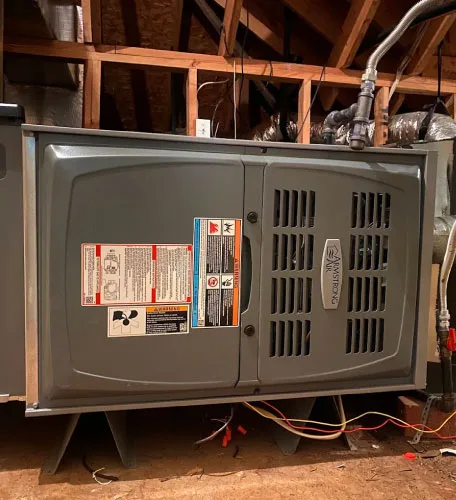
Our technician arrives and begins with a comprehensive visual inspection:
- Furnace condition — We look for rust, corrosion, moisture stains, and visible damage to the cabinet, heat exchanger, and burner assembly.
- Gas connections — We visually inspect all gas line connections for corrosion, damage, or loose fittings.
- Venting — We check the exhaust vent for blockages, cracks, or improper installation. A blocked vent is dangerous—hot gases back up into your home.
- Filter condition — We check the air filter. A clogged filter restricts airflow and causes weak heat, short-cycling, and accelerated dirt accumulation on the heat exchanger.
- Blower assembly — We verify the blower compartment is accessible and clean.
If we notice safety hazards (gas smell, visible cracks, improper venting), we stop further diagnosis and address the safety issue immediately.
We test the thermostat to confirm it’s reading room temperature correctly and sending a call-for-heat signal to the furnace. We verify the wiring between thermostat and furnace is intact. If the thermostat is calling for heat but the furnace isn’t responding, we move to the furnace control board and safety switches.
If the thermostat is reading incorrectly or won’t call for heat, replacement or reprogramming solves the problem.
We connect a manometer (pressure gauge) to the gas line at the furnace inlet and measure gas pressure. Natural gas furnaces typically operate at 3.5–4 inches of water column pressure. If pressure is too low (utility company issue, regulator failure) or too high (gas control valve problem), we diagnose the cause.
If gas pressure is correct, we observe the burner ignition. Does the pilot light? Does the main burner ignite smoothly when called? Is the flame blue (indicating complete combustion) or orange/yellow (indicating incomplete combustion or air supply issue)? Flame color tells us whether combustion is efficient and safe.
The heat exchanger is the critical component—it transfers heat from burning gas into the air that warms your home. A cracked heat exchanger is dangerous (products of combustion leak into your home air) and expensive to repair.
We visually inspect the heat exchanger for visible cracks, holes, or severe corrosion. If we suspect a crack but don’t see one visually, we may perform a draft test or smoke test to confirm airflow integrity. A cracked exchanger requires replacement—it can’t be patched safely.
If the exchanger looks intact, we verify that warm air is flowing from it into your ductwork. If heat isn’t transferring, the problem may be internal blockage (rust, debris) or a pinhole leak we can’t see visually. We discuss repair options.
We verify the blower motor starts when the furnace is called for heat and that warm air flows through your ductwork. We check for:
- Blower bearing noise — A squealing or grinding blower indicates bearing wear and may require motor replacement.
- Airflow through ducts — We feel warm air at return and supply vents. Weak airflow may indicate a clogged filter, blocked ducts, or failing blower motor.
- System balance — Warm air should reach all areas of your home. Uneven heating suggests duct blockages or damper issues.
Poor airflow dramatically reduces furnace efficiency and heating comfort. We address it during repair.
Furnaces have safety switches designed to prevent dangerous operation:
- Limit switch — Shuts off the burner if the furnace gets too hot (protecting against overheating and fire risk). If this switch is stuck in the open position, the furnace won’t heat because the burner keeps shutting off.
- Rollout switch — Detects flames escaping outside the combustion chamber and shuts down the furnace (indicating a venting or heat exchanger problem). A tripped rollout switch signals danger and requires diagnosis.
We test these switches to confirm they’re functioning and not causing false shutdowns.
Modern furnaces use electronic ignition (hot surface igniter or spark ignition) instead of a standing pilot light. These systems are precise but can fail:
- Hot surface igniter — We test whether the igniter glows when called. If not, it’s usually the igniter element itself (replaceable) or the control board (more complex).
- Spark ignition system — We verify spark is present when the furnace is called. Failed spark ignition requires diagnosis of the ignition module or gas control valve.
Ignition system repairs are common and usually straightforward.
Once testing is complete, we explain findings clearly: “Your furnace isn’t igniting because the hot surface igniter has failed. The igniter glows when the control board calls for it, but it’s not hot enough to light the burner. Replacement cost is [amount]. All other components—gas pressure, blower, heat exchanger, safety switches—are functioning normally. Once we replace the igniter and verify ignition, your heating will be fully restored.”
We answer questions and don’t pressure you to approve immediately. You can ask about alternatives (repair vs. replacement, financing options) before deciding.
Once approved, we proceed with repair, which may include:
- Igniter or spark module replacement — Quick swap, verify ignition restarts, test flame quality.
- Gas valve or control board replacement — Requires careful testing to confirm proper operation.
- Thermostat repair or replacement — Replace with equivalent or upgrade to programmable/smart thermostat.
- Blower motor replacement — Requires electrical work and reinstallation in the furnace.
- Heat exchanger replacement — Major repair, requires careful disassembly and reassembly, pressure-testing to ensure no leaks.
All work follows local code and manufacturer standards.
After repair is complete, safety testing is mandatory:
- Carbon monoxide test — We place CO monitors near the furnace and throughout your home, run the furnace under load, and verify no CO is present. This is non-negotiable—CO poisoning is a serious health hazard.
- Gas leak detection — We use a sensitive gas detector to inspect all gas line connections and the gas valve. Any leak is addressed immediately.
- Venting verification — We confirm that furnace exhaust vents safely to the outside and doesn’t backdraft into your living space.
Before we leave, we explain the repair and what caused the failure. We discuss maintenance practices that prevent recurrence: annual tune-ups, filter changes, and when to call for service. We provide:
- Equipment documentation
- Repair warranty information
- Maintenance plan options
- Carbon monoxide test results
We also recommend annual furnace maintenance to catch wear before failures occur—especially important as furnaces age.
Your Furnace Needs Professional Diagnosis
If your heating is weak, the system won’t start, you smell gas, see rust or corrosion, or hear unusual noises, contact us immediately for diagnosis. Early repair prevents dangerous conditions and extends your furnace’s lifespan.
Financing Your Furnace Repair
Major furnace repairs like heat exchanger replacement shouldn’t strain your budget. LMH Services partners with Wisetack for flexible financing, so you can restore safe, reliable heating and pay over time.
Financing Benefits


LMH Services has partnered with Wisetack to give you more ways to pay. Wisetack lets you check your options in seconds with no impact to your credit score, and offers simple monthly payment plans without the financial stress.
Keep Your System Running Strong with a Maintenance Plan
Protect your furnace investment. A maintenance plan from LMH Services keeps your system efficient, extends its 15–20 year lifespan, and catches small issues before they become costly failures — for both Deer Park homes and businesses across the greater Houston area.
Our Maintenance Plans Include
24 Hour Service Available
Plan members get priority access to our 24/7 emergency service line
Prompt, Local Service
We are locally operated in Deer Park and respond quickly
Expert Technicians & Installers
Thorough inspections that catch small issues before they become expensive repairs
Residential & Commercial
Plans tailored to homeowners and business owners alike
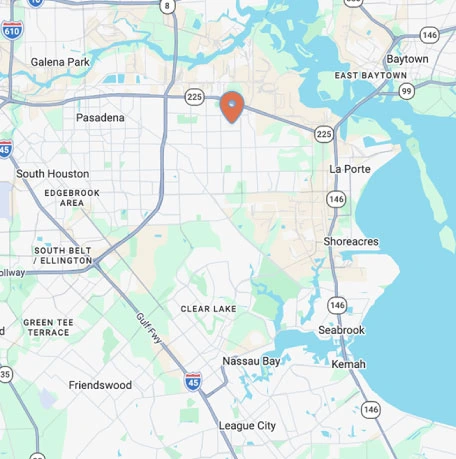
Furnace Repair Across Greater Houston
LMH Services diagnoses and repairs furnaces throughout the greater Houston area from our home base in Deer Park, TX. Wherever you are in our service area, you get the same precision diagnosis, safety verification, and warranty-backed workmanship.
Serving Communities Around:
Not Sure If We Service Your Area?
Chances are we can help! We’ve served the southern Houston area for a while, so please call 832-800-4564 or contact us today to see if we come out to your area.
Furnace Repair Questions Homeowners Ask
For emergencies (no heat, gas smell, carbon monoxide detector activation), we dispatch same-day service whenever possible. We handle after-hours and weekend emergencies because heating failure during winter is a health and safety issue. Call us immediately if you have a heating emergency.
Repair costs vary widely depending on the component. Capacitor or thermostat replacement is typically affordable. Igniter or gas valve replacement is moderate cost. Blower motor replacement is more significant. Heat exchanger replacement is a major repair. We diagnose first, then provide a detailed estimate before you approve the repair, so you know the cost upfront.
If your furnace is under 12 years old and the repair cost is less than 40–50% of a new furnace, repair usually makes economic sense. If it’s 15+ years old and repairs are becoming frequent, replacement may offer better long-term value. We discuss both options honestly based on the repair, age, and expected remaining lifespan.
A light burnt smell on the first run of the season (after months off) is normal—dust accumulated on the heat exchanger burns off. If the smell is strong or persists after several runs, we diagnose to rule out electrical problems, loose connections, or excessive dust accumulation. Call us if the smell doesn’t clear quickly.
It depends on the noise. A quiet rumble during startup is normal. Grinding, squealing, or loud rattling usually indicates bearing wear, loose components, or a failing motor. We recommend getting it diagnosed—operating a damaged furnace can make the problem worse and create safety issues.
Gas furnace diagnosis requires tools, training, and safety certification. DIY troubleshooting (changing filters, adjusting the thermostat) can help, but pinpointing failure requires gauge testing, electrical checks, and safety verification. Always use a licensed professional for diagnosis and repair.
Short-cycling (frequent on/off) indicates a problem. Common causes: clogged filter restricting airflow, limit switch stuck open (safety response to overheating), thermostat malfunction, or a cracked heat exchanger creating unsafe heat. Stop using it and call for diagnosis—short-cycling wastes energy and stresses components.
Yes, absolutely. Carbon monoxide testing is mandatory after every furnace repair. We place CO monitors near the furnace and throughout your home and run the system under load to verify no CO is present. Your family’s safety is non-negotiable.
A cracked heat exchanger is dangerous and must be replaced. It cannot be patched or sealed safely—cracks allow combustion gases (including carbon monoxide) to escape into your home’s air. Heat exchanger replacement is a major repair, but it’s necessary for safety.
Annual pre-winter tune-ups are essential. Our maintenance includes ignition system testing, heat exchanger inspection, gas pressure verification, blower check, safety limit switch testing, and carbon monoxide detection. Annual service catches wear patterns before they become failures and extends furnace lifespan significantly.
Get Expert Furnace Repair in Greater Houston
We systematically test ignition, gas pressure, flame quality, blower operation, and safety switches to isolate the exact failure. No guesswork, no unnecessary parts—just accurate diagnosis that saves you money and prevents repeat callbacks.
Gas furnace repairs require safety expertise. We verify gas pressure, test for leaks, confirm proper venting, and run carbon monoxide detection after every repair. Your family’s safety is our top priority.
Heating failure in winter is urgent. We offer same-day service and emergency dispatch when heating is lost, including weekends and after-hours. A cold home is an emergency, not an inconvenience.
We evaluate whether repair extends useful life economically versus replacement. Is your 7-year-old furnace worth repairing? Usually yes. Is your 19-year-old furnace worth major repair? We help you decide based on facts, not sales pressure.
All our furnace repairs are warranted for 1 year. If a component we install or repair fails due to our workmanship, we fix it at no additional charge. You’re paying for a solution we stand behind.