
Whole Home Generator Maintenance & Testing in Greater Houston
Backup power is only reliable when it’s maintained. LMH Services provides annual generator maintenance that keeps your standby system ready for the next power outage: professional inspections, oil and filter changes, fuel system conditioning, battery testing, control system verification, and full-load testing under real home circuit demand. A maintained generator is a generator that starts when you need it. Don’t wait for an outage to discover your backup power has failed.
Get a Free Estimate
Request service, book online, get a free estimate, ask about financing, or schedule routine maintenance.
Schedule Your Service For urgent issues, calling 832-800-4564 is the fastest way to reach us.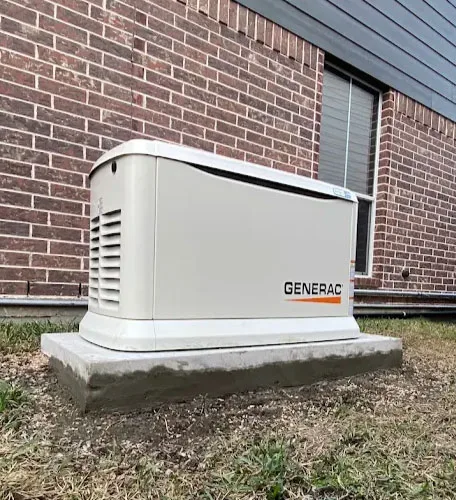
Why Annual Generator Maintenance Is Essential Protection
Catch Fuel System Problems Before They Disable Your Generator
Generators sit idle for months or years until an outage. Fuel degrades, accumulating varnish and water. Fuel filters clog from contamination. Fuel lines weaken and crack. Our annual maintenance includes fuel system inspection, fuel quality testing, filter replacement, and fuel additive treatment so the fuel that reaches your engine is clean and stable when you need it most.
Oil and Filter Changes Keep Engine Performance Predictable
Generators accumulate engine wear—particles in the oil, varnish buildup, oxidation. We change oil and filters per manufacturer schedules, which extends engine life and ensures reliable cold-start performance. Neglected oil turns into sludge that starves bearings and rings of lubrication, leading to catastrophic failure.
Battery Health Testing Prevents No-Start Failures
Most standby generators have a 12V battery that powers the ignition control and starter motor. Batteries age: they lose capacity, corrode internally, and fail without warning. We test your battery voltage and reserve capacity annually. A failed battery during an outage means your generator won’t start until we jump it—defeating the purpose of automatic switchover.
Control System and Transfer Switch Verification Ensure Automatic Operation
Modern generators rely on electronic control boards and transfer switches to detect outages and start automatically. We test control board voltage supply, transfer switch sensitivity to power loss, and automatic load transfer logic. A failed control board or voltage sensor means your generator sits silent while your home is powerless.
Full-Load Testing Proves Your System Works Under Actual Demand
A generator that idles smoothly might fail when circuits engage and demand full power output. Our maintenance includes load testing—running the generator while it powers real home circuits (HVAC, water heater, refrigerator, lights)—so you know your backup system actually works. You’ll have documented test results showing fuel consumption, voltage stability, and sustained runtime.
Proud Members of Our Local Chambers of Commerce



What Houston-Area Homeowners Say
What’s Included in Our Generator Maintenance Program
From visual inspection to full-load testing, every step is documented and verified — so your backup power is ready when you need it.
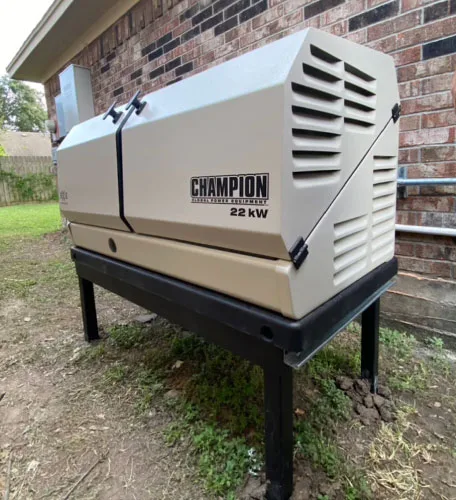
We begin with a thorough visual inspection of your generator and surrounding installation. We check for obvious problems: loose mounting bolts, damaged fuel lines, cracked belts, corrosion on electrical terminals, water intrusion in the generator housing, and physical damage from weather or yard equipment.
We inspect your transfer switch installation for proper mounting, secure wiring, and visible control board function. We check for loose terminals, burnt components, or signs of electrical stress.
We also visually assess your fuel system: propane tank mounting, fuel line routing and condition, regulator function (for natural gas systems), and any obvious leaks or damage.
We document the condition of all visible components so we know what’s changed since the last service.
Fuel is the most critical system. We inspect the fuel tank for level and sediment. We collect a fuel sample and test for water content, octane stability, and contamination. We check the fuel filter condition and measure fuel pressure at the generator.
If fuel quality is poor—contaminated with water, discolored with varnish, or aged—we drain the tank or flush the fuel system. We replace the fuel filter and add fuel stabilizer or treatment to restore fuel quality and prevent future degradation.
For propane systems, we inspect the regulator, test gas pressure output, and check for leaks using soapy water to verify all connections. For natural gas systems, we test line pressure and verify the automatic regulator maintains stable supply pressure.
We also verify fuel line integrity: no cracks, crimping, or loose fittings. Fuel lines age and become brittle; we replace them if they show deterioration.
We drain the generator’s engine oil and replace it with the grade and quantity specified by the manufacturer. Fresh oil restores lubrication, removes accumulated particles and varnish, and helps the engine run smoothly.
We replace the oil filter with an OEM equivalent so dirt and wear particles are captured before they can damage engine bearings.
We check the oil drain plug for leaks and verify the oil level after filling so we know the engine is properly lubricated.
We inspect the spark plug condition: gap, electrode wear, and carbon buildup. A worn or fouled plug prevents reliable starting. We replace spark plugs per manufacturer intervals (typically annually) with OEM parts.
We test the ignition coil output and verify spark voltage at the plug. We also inspect the ignition control board for any obvious damage or corrosion.
For generators with electronic ignition modules, we verify control voltage and ground continuity to the module.
We measure your generator’s 12V battery voltage and charge capacity. A healthy battery reads 12.6V or higher. A low or weak battery won’t reliably turn the starter motor, especially in cold weather.
We clean corroded battery terminals and connectors using approved methods. Corrosion reduces current flow and can prevent starting.
We recommend replacement if the battery reads below 12V, no longer holds charge, or shows physical damage (swelling, leaking). A failed battery is an inexpensive replacement that prevents a no-start failure during an outage.
We test your generator’s control board logic. We measure 12V supply to the board, verify ground continuity, and test control outputs that command the fuel system, ignition, and starter motor.
For automatic transfer switches, we test the voltage sensor that detects utility power loss. We measure the control circuit that signals the generator to start. We verify the mechanical load transfer—does the switch physically connect generator power to your home circuits and disconnect utility power properly?
We simulate an outage condition by disconnecting utility power and confirming the transfer switch detects the loss and signals the generator to start within the programmed delay. We verify the generator engages automatically and powers your critical circuits.
We then restore utility power and confirm the transfer switch switches back to utility and signals the generator to shut down.
We start the generator manually and verify smooth idle operation and correct idle fuel consumption.
We then engage the transfer switch and run your generator at partial load (approximately half of your protected circuits—HVAC, refrigerator, water heater, lights). We measure output voltage—it should remain within ±5% of 120V nominal. We run this test for at least 15 minutes to confirm stable operation.
We increase to full load (all protected circuits engaged) and observe voltage and frequency. We verify the generator does not stall, surge, or trip its internal overload protection. We measure current draw to confirm you understand your system’s load capacity.
We document all test results: output voltage, frequency, fuel consumption, battery voltage, and any anomalies. You receive a written report showing your generator is ready.
We provide a detailed maintenance report documenting:
- Service date and maintenance performed
- Component conditions observed (fuel system, battery, ignition, control board, transfer switch)
- Test results (fuel pressure, ignition voltage, battery voltage, load test output)
- Any parts replaced and warranty information
- Recommended next maintenance interval (typically 12 months)
- Any issues discovered and recommendations for repair or upgrade
We discuss the results with you and answer questions about your generator’s status. We also recommend generator repair if we discover any components that need attention, and we can quote emergency service if problems arise between maintenance visits.
Make Generator Maintenance Part of Your Home Care Routine
Your generator is only as reliable as its last service appointment. Annual maintenance ensures clean fuel, fresh oil, healthy battery, responsive controls, and proven load performance. Contact us to schedule your annual inspection and join our maintenance plans for priority service and discounted maintenance.
Financing Your Generator Maintenance
Regular generator maintenance is an investment in reliable backup power — and it shouldn’t strain your budget. LMH Services partners with Wisetack for flexible financing, so you can maintain your generator system and pay over time.
Financing Benefits


LMH Services has partnered with Wisetack to give you more ways to pay. Wisetack lets you check your options in seconds with no impact to your credit score, and offers simple monthly payment plans without the financial stress.
Keep Your System Running Strong with a Maintenance Plan
Protect your generator investment. A maintenance plan from LMH Services keeps your backup power system ready, extends its lifespan, and catches small issues before they become costly failures — for both Deer Park homes and businesses across the greater Houston area.
Our Maintenance Plans Include
24 Hour Service Available
Plan members get priority access to our 24/7 emergency service line
Prompt, Local Service
We are locally operated in Deer Park and respond quickly
Expert Technicians & Installers
Thorough inspections that catch small issues before they become expensive repairs
Residential & Commercial
Plans tailored to homeowners and business owners alike
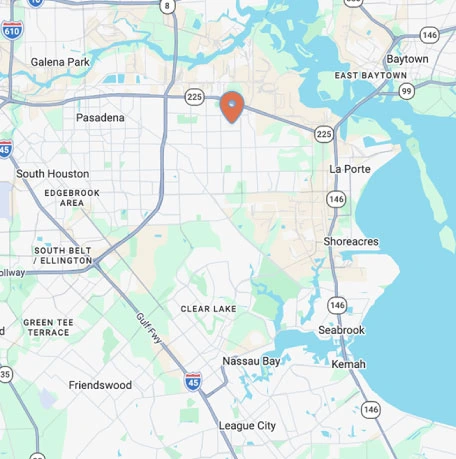
Generator Maintenance Service Areas
LMH Services provides generator maintenance throughout Greater Houston from our home base in Deer Park, TX. Wherever you are in our service area, you get the same comprehensive maintenance and testing.
Serving Communities Around:
Not Sure If We Service Your Area?
Chances are we can help! We’ve served the southern Houston area for a while, so please call 832-800-4564 or contact us today to see if we come out to your area.
Generator Maintenance Questions Homeowners Ask
Annual maintenance is standard for standby generators. One service per year ensures your system is inspected, fuel and oil are fresh, battery is tested, and the generator is load-tested. For generators that run frequently (more than a few hours per month), or in dusty/humid environments, more frequent service may be recommended. We’ll advise based on your usage.
That’s exactly why maintenance matters. Generators that sit idle experience fuel degradation, battery self-discharge, oil oxidation, and corrosion. Our annual maintenance includes fuel treatment to prevent varnish buildup, battery testing to catch degradation early, and load testing to ensure the system will start reliably when an outage finally happens.
You can check fuel level, inspect for obvious damage, and verify that the generator idles smoothly. But professional maintenance requires specialized equipment: fuel pressure gauges, compression testers, battery capacity analyzers, and load-testing equipment. We recommend professional annual service to catch problems early.
The load test proves your generator can power your home’s circuits under real demand. A generator might idle smoothly but fail when circuits engage and draw full current. Our load test runs the HVAC, water heater, refrigerator, and lights simultaneously while we measure output voltage, frequency, and current. You get documented proof your backup power works.
You can schedule on-demand maintenance anytime. But our maintenance plans give you priority scheduling, reminder notifications, and discounted service rates. Plans ensure you don’t miss your annual window and ensure your generator gets consistent attention.
We’ll explain the issue and recommend repair or replacement. Minor problems (spark plug, fuel filter, battery) are often addressed during the maintenance visit. Major problems (fuel tank replacement, control board failure, transfer switch failure) are quoted separately. We can often schedule repair quickly.
Maintenance prevents most failures—fuel system clogs, battery failures, oil degradation, spark plug wear, and control system drift are predictable. But catastrophic engine failures (cracked blocks, bent rods) can still occur and are unpredictable. Annual maintenance catches wear early and gives you time to plan repairs before an outage happens.
A typical maintenance visit takes 1.5 to 2 hours. Fuel system service, oil change, battery testing, and load testing are methodical but straightforward. If we discover a problem requiring repair, the visit may extend longer. We’ll give you a time estimate on the phone.
Maintenance on a home generator is generally not tax-deductible unless your home is rented or part of a business. Homeowners typically file maintenance as home maintenance expense, which is not deductible. Consult your tax professional for specific advice.
Skipping a year increases risk. Fuel degrades faster, battery capacity fades, oil oxidizes, and control boards drift out of calibration. A generator that passed last year’s load test might fail silently this year. Even one year without service is risky. Annual maintenance is inexpensive compared to a generator repair or replacement during an outage.
Keep Your Backup Power Ready with Annual Maintenance
We test fuel quality, replace filters, treat degraded fuel, and verify fuel pressure so your generator has clean, stable fuel when an outage happens. Fuel problems are the #1 cause of generator failure.
Fresh oil and filters keep your generator’s engine lubricated and protected from wear. We use manufacturer-specified oil grades and OEM filters for reliable cold-start performance.
We test your 12V battery voltage and capacity annually. A failed battery means your generator won’t start during an outage. We replace weak batteries before they fail.
We run your generator at full load—powering your actual home circuits—and measure voltage, frequency, and current. You get documented proof your backup power works when you need it.
You receive a comprehensive report documenting all service performed, test results, component conditions, and recommendations. A neglected generator is a failed generator waiting to happen.