
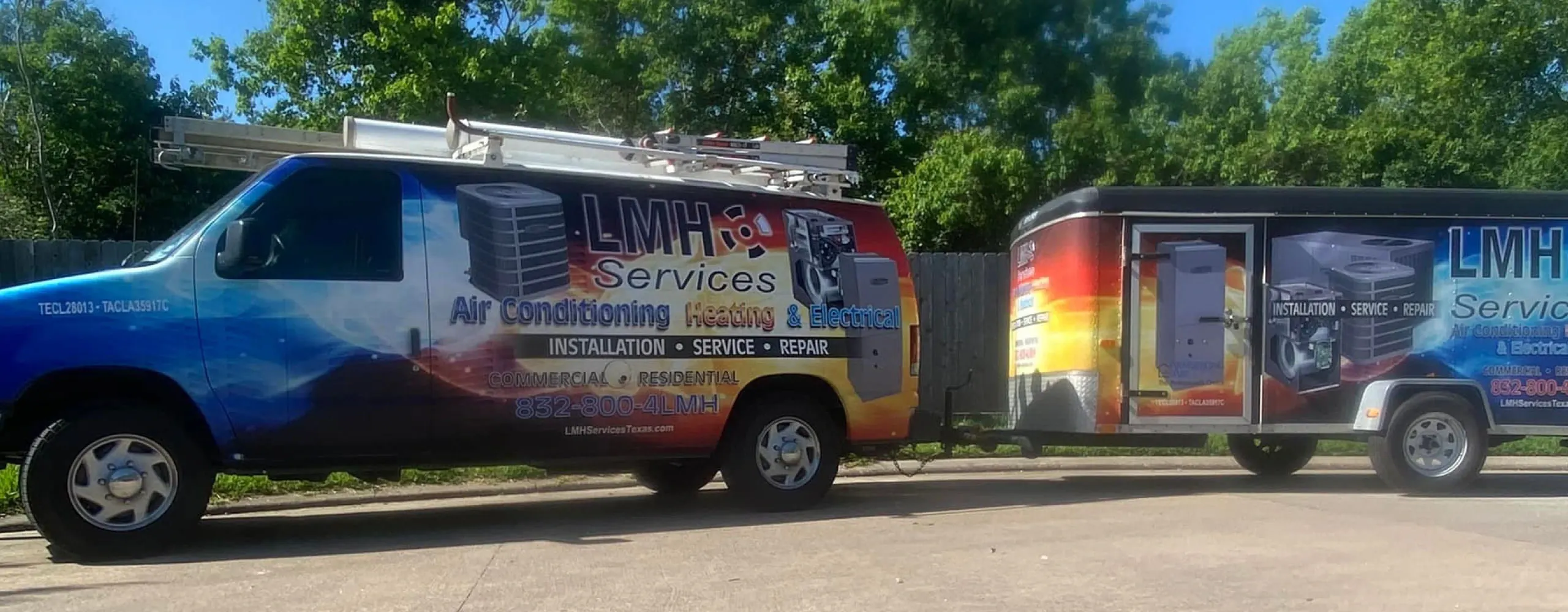
Air Conditioning Maintenance & Tune-Ups in Greater Houston
An air conditioning system that runs efficiently all summer long starts with preventive maintenance. LMH Services performs annual and bi-annual tune-ups that inspect every critical component, clean coils, optimize refrigerant charge, and catch small problems before they become expensive emergency repairs. A maintained AC system lasts 15–20 years; a neglected one fails by year 12.
Get a Free Estimate
Request service, book online, get a free estimate, ask about financing, or schedule routine maintenance.
Schedule Your Service For urgent issues, calling 832-800-4564 is the fastest way to reach us.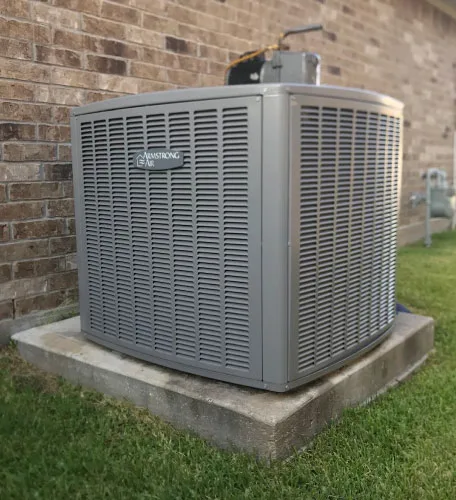
Why AC Maintenance Matters More Than You Think
Catch Small Problems Before They Strand You in Summer Heat
Maintenance visits catch worn capacitors, slow refrigerant leaks, dirty coils, and electrical connections loosening—all things that will fail without warning during a July heat wave. A tune-up finds these issues when they’re cheap and quick to fix, not when your home is 85°F and every technician in town is booked for emergencies. We’ve prevented thousands of AC failures by staying ahead of wear patterns.
Keep Your System Running at Peak Efficiency
A dirty evaporator coil, undersized refrigerant charge, or clogged filter forces your AC to work harder and longer—running up your electric bill and wearing components faster. Maintenance cleans coils, verifies charge, replaces filters, and ensures airflow. Result: lower cooling bills, better comfort, and a system that doesn’t strain as hard in 100°F heat.
Extend Your AC’s Lifespan and Warranty Protection
Regular maintenance isn’t just comfort insurance; it’s financial insurance. Systems that receive annual tune-ups last 15–20 years. Neglected systems need replacement by year 12. On a system that costs thousands, five extra years of operation is worth far more than the cost of annual tune-ups. Plus, many manufacturer warranties require documented maintenance to stay valid.
Get Written Documentation of Your System’s Health
After every maintenance visit, we provide a detailed report: refrigerant charge reading, superheat/subcooling values, coil temperature, filter condition, electrical connection tightness, and any findings. You know exactly what we checked, what we found, and what to expect. No surprises, no guesswork. This documentation is invaluable if a problem develops—you and your technician know the system’s history.
Save Money on Emergency Repair Calls
AC failure during a heat wave costs emergency service fees, potentially overnight hotel fees if your family seeks relief, and the stress of an urgent repair. Maintenance prevents these crises. An ounce of prevention saves hundreds or thousands in emergency labor and parts.
Proud Members of Our Local Chambers of Commerce



What Houston-Area Homeowners Say
Our AC Maintenance Process
From the first system walkthrough to the final performance test, every step is documented and done to industry standards — so your system runs efficiently all season long.
We begin by asking: How has the system performed since your last service? Any unusual noises, weak spots, or temperature inconsistencies? We do a visual check of your outdoor condenser unit (no debris, fins intact), indoor air handler or furnace (clean, dry, no rust), and thermostat display and settings.
We inspect your AC filter—one of the most critical yet overlooked components. A clogged filter restricts airflow, forces the system to work harder, and can cause the evaporator coil to freeze. We check filter condition and replace it if needed. We also advise on filter type (fiberglass vs. pleated vs. HEPA) and replacement frequency (typically every 30–90 days, depending on pets, dust levels, and filter quality).
We inspect the outdoor condenser coil for dirt, leaves, pollen, and other debris. A dirty condenser can’t transfer heat out of the refrigerant efficiently, raising pressure and reducing cooling. We use a soft-bristle brush and compressed air to clean the coil carefully—powerful high-pressure water can damage coil fins.
We then inspect the indoor evaporator coil for dirt and ice buildup. A dirty or iced coil reduces heat transfer. We may recommend professional coil cleaning if we see significant accumulation (typical every few years in dusty climates).
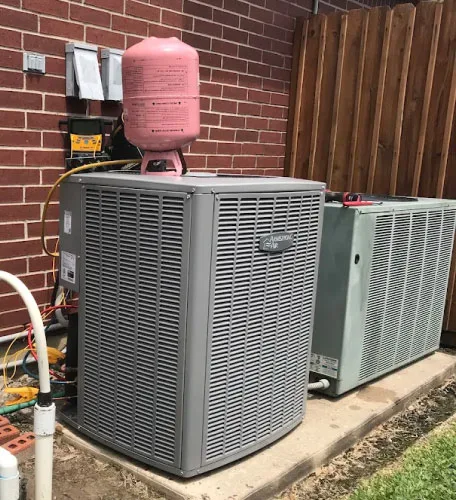
We connect manifold gauges and measure your system’s low-side and high-side pressures. We calculate superheat and subcooling to verify your refrigerant charge is correct. Overcharge or undercharge both reduce efficiency and can damage the compressor.
If charge is slightly low, we discuss whether a slow leak is developing (likely) or whether the charge was simply a bit light from installation (rare on properly installed systems). If we detect a slow leak, we recommend that you monitor it—in some cases, a small slow leak may stay stable for years, or you may want to address it proactively during maintenance.
We test your run capacitor (the most common failure point), compressor contactor, and fan motor capacitor using a multimeter and capacitance tester. Capacitors age out and can fail suddenly. Testing them during maintenance alerts you to impending failure before your AC quits on a summer weekend.
We check all electrical connections in the outdoor unit—breaker terminals, disconnect switch, capacitor terminals—ensuring they’re tight and not corroded. Loose connections create resistance, generate heat, and can cause electrical fires. We tighten any loose connections and note corrosion for future watches.
We verify proper electrical grounding and test for any unusual current draw that might indicate a failing motor or compressor.
We test your thermostat’s ability to read room temperature accurately. We verify it switches between heating and cooling correctly. We check thermostat programming if it’s a programmable or smart model—are your schedules set up the way you intend? Are you accidentally overriding energy-saving settings?
For smart thermostats, we confirm connectivity and app functionality. For older non-programmable thermostats, we discuss whether upgrading to a programmable or smart model would save energy and improve comfort.
We run your AC system through a full cooling cycle under load. We verify that the compressor starts smoothly, fans run at proper speed, and the system cools to your setpoint without short-cycling or unusual noises. We measure outlet temperature and system runtime to confirm the system is performing as expected.
All readings—pressures, temperatures, superheat, subcooling, electrical values—are recorded in our service report. We photograph any issues (corrosion, loose wires) and document the filter condition and any repair recommendations.
Before we leave, we sit down and review our findings with you in plain language. We explain what we tested, what we found, and what to watch for. We note the filter replacement date, refrigerant charge status, and any components that are aging and likely to need replacement in the next 1–3 years.
We discuss whether a slow leak warrants repair now or monitoring, whether a capacitor should be replaced proactively, or whether your system is performing well and just needs routine annual maintenance. We leave you with a printed report detailing every check so you have a record of your system’s health over time.
Schedule Your AC Maintenance Today
An annual tune-up takes just a couple of hours and safeguards your comfort for the whole cooling season. Whether you want one pre-summer visit or twice-yearly maintenance for optimal efficiency, we’ll set you on a schedule that works.
Financing Your AC Maintenance
Regular maintenance is an investment in your system’s longevity and efficiency. LMH Services partners with Wisetack for flexible financing options, making it easy to keep your AC system running at peak performance.
Financing Benefits


LMH Services has partnered with Wisetack to give you more ways to pay. Wisetack lets you check your options in seconds with no impact to your credit score, and offers simple monthly payment plans without the financial stress.
Keep Your System Running Strong with a Maintenance Plan
Protect your AC investment with a maintenance plan from LMH Services. Regular tune-ups keep your system efficient, extend its 15–20 year lifespan, and catch small issues before they become costly failures — for both Deer Park homes and businesses across the greater Houston area.
Our Maintenance Plans Include
24 Hour Service Available
Plan members get priority access to our 24/7 emergency service line
Prompt, Local Service
We are locally operated in Deer Park and respond quickly
Expert Technicians & Installers
Thorough inspections that catch small issues before they become expensive repairs
Residential & Commercial
Plans tailored to homeowners and business owners alike
AC Maintenance Across Greater Houston
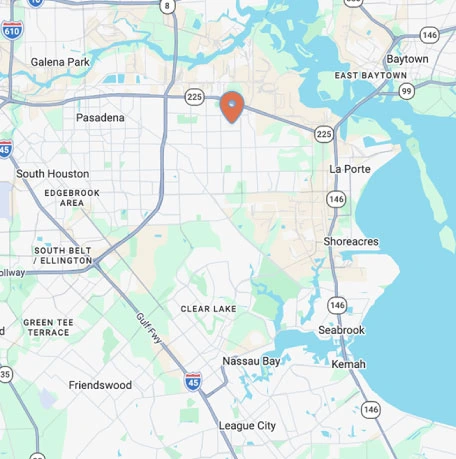
LMH Services provides annual and bi-annual air conditioning maintenance throughout the greater Houston area from our home base in Deer Park, TX. Wherever you are in our service area, you get the same thorough inspections, detailed documentation, and professional service.
Serving Communities Around:
Not Sure If We Service Your Area?
Chances are we can help! We’ve served the southern Houston area for a while, so please call 832-800-4564 or contact us today to see if we come out to your area.
AC Maintenance Questions Homeowners Ask
At minimum, once per year before cooling season (spring tune-up). For optimal efficiency and early problem detection, twice per year—spring before cooling and fall before you switch to heating—is ideal. High-use environments or older systems may benefit from twice-yearly visits. We can set you on a schedule that fits your needs.
A complete tune-up includes filter inspection/replacement, coil inspection, pressure and refrigerant charge testing, electrical component testing, thermostat verification, visual system inspection, and performance testing under load. We document all findings and discuss any repair recommendations.
Maintenance catches most problems before they become emergencies—wear patterns, slow leaks, aging components. However, component failures can still occur unexpectedly (a capacitor can fail between visits). Maintenance significantly reduces the odds, but nothing prevents 100% of failures. That’s why we also offer emergency repair service.
A typical spring tune-up runs in the range shown on our financing page. Twice-yearly maintenance is even more economical per visit. Many customers join our maintenance plans to lock in pricing and automatic scheduling.
You can replace your filter and keep your outdoor unit free of debris. You cannot safely test refrigerant charge, electrical components, or diagnose system problems. Refrigerant handling requires EPA certification. Improper testing can damage your system or create safety hazards. Professional maintenance is worth every dollar.
Absolutely. Most problems develop silently—a slow refrigerant leak, a capacitor aging, a connection loosening. By the time you notice a problem (weak cooling, noise, tripping breaker), the system has been struggling. Maintenance finds problems while they’re small and cheap. A maintained system is like getting oil changes for your car—you don’t wait until the engine seizes.
We’ll explain what we found and your options. Some issues (like a slow tiny leak) can be monitored. Some issues (like a worn capacitor) should be repaired proactively before failure. Some (like a very minor coil dirtiness) can wait until next year if budget is tight. We give you the information and let you decide. We don’t push repairs you don’t need.
A typical tune-up takes 1–2 hours, depending on your system size and complexity. We schedule morning or afternoon windows so you know roughly when we’ll be done.
Yes. Contact us to schedule a specific date and time. If you’d rather, we can set you on an automatic maintenance schedule—same time every spring, for instance. We’ll remind you in advance so you’re never caught off-guard.
No. Homeowner’s insurance covers emergencies (like damage from storms), not routine maintenance. However, a well-maintained system lasts longer and fails less often, which is its own insurance policy against expensive emergency repairs and discomfort during heat waves.
Keep Your AC Running Strong for Years to Come
We inspect every critical component—coils, refrigerant charge, electrical connections, capacitors, and thermostat operation. Our detailed documentation gives you a complete picture of your system’s health and what to expect going forward.
Maintenance catches worn capacitors, slow refrigerant leaks, dirty coils, and loose electrical connections before they cause emergency failures. We find problems when they’re cheap and quick to fix, not during a July heat wave.
A clean, properly charged system runs efficiently and lasts 15–20 years. Neglected systems fail by year 12. Regular maintenance saves hundreds in energy costs and thousands in premature replacement costs.
Whether you want one annual spring tune-up or twice-yearly maintenance for optimal efficiency, we’ll set you on a schedule that works. Our maintenance plans include automatic scheduling and member-exclusive benefits.
After every maintenance visit, you get a detailed report with all readings, findings, and recommendations. No surprises, no guesswork—just honest information about your system’s condition and what to watch for.