
Package Unit Installation for Greater Houston Properties
Ready to install a self-contained heating and cooling system? LMH Services handles package unit installation from site evaluation through equipment placement, electrical work, ductwork connection, refrigerant charging, and final system testing. We size your package unit correctly, ensure proper structural support, and optimize installation location—so your all-in-one system works reliably from day one.
Get a Free Estimate
Request service, book online, get a free estimate, ask about financing, or schedule routine maintenance.
Schedule Your Service For urgent issues, calling 832-800-4564 is the fastest way to reach us.
What Sets Our Package Unit Installation Apart
Structural Assessment and Installation Support Design
Package units are heavy, self-contained cabinets requiring solid structural support. We evaluate your rooftop or ground installation location for weight-bearing capacity, vibration isolation, weatherproofing, and drainage. If rooftop installation requires reinforcement, we design and install proper support pads and curbs. If ground placement is preferred, we assess foundation conditions and drainage patterns to prevent water accumulation around the unit. Proper structural work upfront prevents premature sagging, vibration noise, and weather damage over the system’s 12–15 year lifespan.
Accurate System Sizing for All-in-One Performance
Because a package unit combines cooling, heating, and air circulation in one cabinet, sizing is critical. We calculate your building’s cooling and heating loads using industry-standard Manual J methods—accounting for square footage, insulation, window orientation, Houston’s summer heat and mild winter temperatures, and your comfort preferences. Correct sizing ensures the unit cycles efficiently without short-cycling (oversizing) or struggling to reach setpoint (undersizing). An oversized package unit wastes energy; an undersized unit leaves you uncomfortable and wearing out prematurely.
Armstrong Equipment with Integrated Heating Options
We install Armstrong package units engineered for durability and available with electric, gas, or heat pump heating integration. We discuss heating options and efficiency ratings with you upfront so you understand total operating costs. Armstrong equipment carries the manufacturer’s parts warranty, every installation includes LMH Services’ 1-year labor warranty, and extended parts-and-labor plans are available through JB Warranties.
Complete Electrical and Mechanical Installation to Code
Package unit installation involves electrical service connection (often 208–240V), control wiring, ductwork connections, and refrigerant charging. We pull all required permits, complete electrical and mechanical inspections, and ensure installation meets local codes and manufacturer specifications. Every connection is tight, properly sized, and documented so you have proof of compliant installation.
Ductwork Optimization for Air Distribution
Even the best package unit performs poorly if ductwork is leaky or undersized. We evaluate your existing ductwork during site assessment, seal leaks with mastic and metallic tape, verify duct sizing matches your unit’s airflow requirements, and balance air delivery through all zones. This ensures cooled or heated air reaches every room, not leaking into walls or attics.
Proud Members of Our Local Chambers of Commerce



What Houston-Area Property Owners Say
Our Package Unit Installation Process
From site assessment through final testing, every step is documented and done to code — so your new system performs from day one.
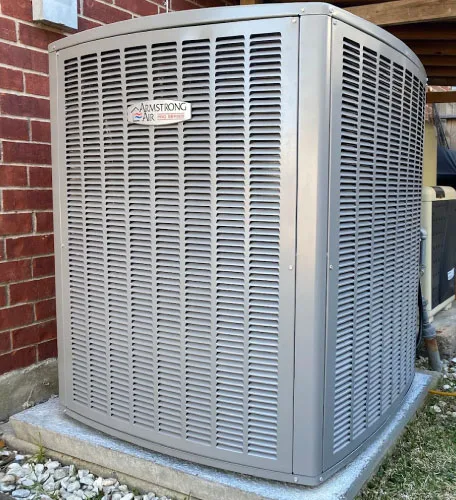
We visit your property to understand installation requirements comprehensively. We assess potential installation locations (rooftop, ground-level pad, mechanical room) and evaluate each option for structural viability, access, noise impact, and long-term maintenance convenience.
For rooftop installation, we:
- Measure roof dimensions, pitch, and condition
- Evaluate roof weight-bearing capacity and existing load distribution
- Assess roof material and integrity (can we penetrate safely for venting and electrical runs?)
- Check for existing roof penetrations that may affect ductwork routing
- Verify adequate clearance from HVAC vents, exhaust pipes, or other rooftop equipment
- Consider neighborhood proximity—will rooftop noise impact neighbors’ comfort or sleep?
For ground-level placement, we:
- Assess available space and proximity to building wall and doors
- Evaluate grading and drainage—is water draining away from the unit, or will standing water occur during rain?
- Check electrical service access nearby to minimize cable runs
- Determine if frost or seasonal flooding could affect the unit
We also measure your building’s total square footage, evaluate insulation levels in attic and walls, inspect window types and orientation, and review existing ductwork condition. We discuss your heating preference: electric heating (simple, instant), gas heating (efficient, lower operating cost), or heat pump heating (balanced heating and cooling efficiency). This data drives our cooling and heating load calculations.
Using Manual J methodology, we calculate the exact BTU cooling capacity and heating capacity your building requires. This calculation accounts for:
- Building Size — Total conditioned square footage
- Insulation Levels — Attic R-value, wall insulation, basement/crawl space conditions
- Windows — Quantity, type (single vs. double-pane), orientation (south/west facing = more solar heat gain)
- Climate Data — Houston’s design temperatures (summer design 95°F, winter design 32°F)
- Internal Heat Loads — People, appliances, lighting that generate heat
- Building Exposure — Shade trees, neighboring structures that block sun
The result is a precise ton rating (cooling capacity) and BTU input (heating capacity) your package unit needs:
- Undersized Package Unit — Too small to cool on hot days or heat on cold mornings. System runs continuously without reaching setpoint, wasting energy and wearing out prematurely.
- Oversized Package Unit — Cools or heats too quickly, cycling on and off frequently (short-cycling), which wastes energy and fails to dehumidify properly. Houston’s humidity is a concern—oversized cooling cycles off before removing moisture, leaving damp air.
- Right-Sized Package Unit — Runs efficiently, reaching setpoint smoothly, dehumidifying effectively, and lasting 12–15 years without stress.
We present your calculated load and recommended package unit tonnage so you understand the sizing rationale before equipment selection.
We present package unit options at different efficiency levels, explaining SEER (cooling efficiency) and AFUE or HSPF ratings (heating efficiency). We discuss heating options:
- Electric Heating — Resistive heating elements warm air directly. Instant response, simple controls. Higher operating costs but zero maintenance beyond annual checks.
- Gas Heating — A burner inside the package cabinet ignites gas to heat air. Lower operating cost than electric heating. Requires gas supply line and venting but efficient for Houston’s mild winters.
- Heat Pump Heating — The refrigerant cycle reverses to extract heat from outdoor air (like an AC in reverse). Most efficient heating option for moderate climates like Houston. Works reliably down to 35–40°F before electric backup is needed.
We calculate payback periods for each heating option using your building’s typical utility usage, so you understand the financial impact of choosing higher efficiency or different heating types.
We also discuss thermostat options: basic non-programmable (simple), programmable (set different temperatures for different times/days), or smart (app control, learning features, integration with other smart systems). We explain financing through Wisetack, answering questions about monthly payments and interest rates. Many homeowners pair their installation with one of our maintenance plans to protect their investment long-term. Once you approve equipment, heating option, and financing, we order the system and schedule installation.
Before installation day, we prepare your installation location. For rooftop placement:
- We install structural support pads and curbs to properly distribute the package unit’s weight across the roof, preventing concentrated load damage
- We ensure proper vibration isolation—using pads that reduce compressor noise transmission to building structure
- We verify roof flashing and weatherproofing where ductwork and electrical service penetrate the roof
- We plan ductwork routing and electrical cable runs to minimize roof penetrations
For ground-level placement:
- We install a concrete pad with proper slope for drainage
- We set vibration isolation pads
- We verify electrical service proximity
We evaluate your existing ductwork and make necessary upgrades:
- Leak Sealing — We identify leaks at connections and joints and seal them with mastic and metallic tape to prevent cooled or heated air from escaping into walls or attics
- Duct Sizing Verification — We check that ducts are sized appropriately for the new package unit’s airflow. Undersized ducts restrict air and reduce efficiency; we may upgrade sections if necessary
- Blockage Removal — We clear any obstructions (dust, debris, nests) that restrict airflow
- Duct Insulation — We ensure return ducts in cold spaces (attics, basements) are properly insulated to prevent condensation and temperature loss
Proper ductwork is essential—a new, efficient package unit is only as good as the ducts delivering its air. Skipping ductwork work is a common installation mistake that undermines efficiency for the system’s entire life. Many homeowners also benefit from our duct cleaning and sealing services during the installation process to maximize system performance.
We install the package unit in the prepared location (rooftop, ground pad, or mechanical room):
- We secure the unit to the support pad or base with vibration isolation mounts to minimize noise transmission
- We connect all supply and return ductwork to the unit’s air openings with properly sealed connections
- We run electrical service from your building’s panel to the package unit disconnect switch (required by code for safety)
- We connect all control wiring from your thermostat to the package unit control board
- For gas heating units, we connect the gas line with proper sizing and pressure regulators
- For units with venting requirements, we connect exhaust vent piping and verify it routes safely outside
All electrical work follows local electrical codes. All gas connections are pressure-tested. All connections are documented and labeled.
Once physically installed, we charge the refrigerant to exact specifications. Wrong refrigerant charge (too much or too little) causes poor performance and system stress. We use superheat and subcooling measurements (not guesswork) and document the charge for future service reference.
We run the complete cooling cycle: thermostat calls for cooling, the compressor starts, the blower circulates air, and cooled air flows through ducts. We measure outlet temperature and verify the system reaches setpoint. We test heating mode (for electric, gas, or heat pump units), verifying that the heating elements or burner operate correctly. We test both low and high fan speeds to ensure proper operation.
With the system running, we balance airflow through all ducts. We check that every room with supply vents is receiving cooled or heated air. If airflow is uneven (some rooms get cold/warm air, others don’t), we adjust dampers or add vents to equalize distribution.
We verify that your thermostat is reading room temperature accurately and responding correctly to setpoint changes. We program your thermostat with your preferred setpoint, fan settings (auto or continuous), and any scheduling features you want.
Before we leave, we explain how your new package unit operates: thermostat adjustment, seasonal transitions (when to switch from cooling to heating), maintenance requirements (filter changes, when to schedule annual tune-ups), and what warranty coverage includes. We provide all documentation—equipment spec sheets, installation records, warranty information, and thermostat instructions.
We discuss your maintenance plan options to keep your new system running efficiently and catch problems early. We leave you with confidence that your installation is complete, safe, and ready for years of reliable comfort.
Ready to Install a New Package Unit System?
Upgrading to an efficient, all-in-one package unit simplifies your building’s climate control. Contact us for a site assessment, equipment sizing, and installation scheduling.
Financing Your New Package Unit System
A new package unit system is a smart long-term investment — and it shouldn’t strain your budget. LMH Services partners with Wisetack for flexible financing, so you can install the efficient, properly-sized system your property needs and pay over time.
Financing Benefits


LMH Services has partnered with Wisetack to give you more ways to pay. Wisetack lets you check your options in seconds with no impact to your credit score, and offers simple monthly payment plans without the financial stress.
Keep Your System Running Strong with a Maintenance Plan
Protect your new package unit investment. A maintenance plan from LMH Services keeps your system efficient, extends its 12–15 year lifespan, and catches small issues before they become costly failures — for both Deer Park homes and businesses across the greater Houston area.
Our Maintenance Plans Include
24 Hour Service Available
Plan members get priority access to our 24/7 emergency service line
Prompt, Local Service
We are locally operated in Deer Park and respond quickly
Expert Technicians & Installers
Thorough inspections that catch small issues before they become expensive repairs
Residential & Commercial
Plans tailored to homeowners and business owners alike
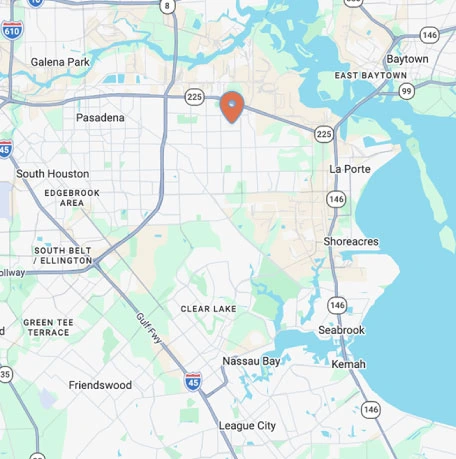
Package Unit Installation Across Greater Houston
LMH Services installs new package unit systems throughout the greater Houston area from our home base in Deer Park, TX. Wherever you are in our service area, you get the same proper sizing, structural assessment, and warranty-backed workmanship.
Serving Communities Around:
Not Sure If We Service Your Area?
Chances are we can help! We’ve served the southern Houston area for a while, so please call 832-800-4564 or contact us today to see if we come out to your area.
Package Unit Installation Questions Property Owners Ask
Package units are heavy—typically 500–1,500 pounds depending on size. Improper support can cause the unit to sag over time, stressing connections and creating refrigerant line cracks. Proper support pads distribute weight evenly across the roof, and vibration isolation mounts reduce noise transmission to the building. Good support extends unit life and prevents expensive future repairs.
Ground-level installation reduces noise (no compressor noise radiating from above), protects the unit from UV radiation and temperature extremes (extending component life), and simplifies maintenance access. However, ground placement requires adequate space, proper drainage to prevent water pooling, and may have aesthetic or space limitations for some properties.
A typical installation takes 2–3 days depending on structural work required and ductwork condition. Day 1 involves site preparation and structural work. Day 2 is equipment placement, ductwork connection, electrical work, and refrigerant charging. Day 3 is testing, balancing, and customer training. Complex installations with significant ductwork upgrades or rooftop reinforcement may take longer.
Not necessarily. If your existing ductwork is in good condition, properly sized, and not leaky, you can reuse it. We evaluate your ducts during the assessment. If they’re leaky or undersized, sealing or upgrading them is essential to ensure your new system performs at its rated efficiency. Ductwork that leaks 20–30% of conditioned air wastes hundreds in energy every year.
Yes. If you currently have electric heating and prefer gas heating (or vice versa), we can upgrade your equipment during replacement. Gas heating is more efficient; electric heating is simpler. We calculate the cost and payback for each option so you can choose based on your budget and priorities.
A “ton” is cooling capacity (12,000 BTUs per ton). A 3-ton package unit cools 36,000 BTUs per hour. SEER (Seasonal Energy Efficiency Ratio) measures how efficiently that cooling is delivered—how much cooling you get per unit of electricity. A SEER 13 system is less efficient than SEER 16. You want a system sized correctly in tonnage and then choose the highest SEER rating your budget allows.
Rooftop package units produce noise from the compressor—typically 75–85 decibels, similar to a lawnmower. This is louder than split systems where the compressor is outside in a yard corner. If your building has upstairs bedrooms, rooftop noise can be noticeable, especially at night. Vibration isolation pads and sound wraps can reduce noise if it becomes an issue.
Yes, if you have adequate space (a mechanical room, basement, or large closet). Indoor installation protects the unit from weather, extends component life, and reduces noise. However, indoor placement requires proper ductwork connections, condensation drainage, adequate return air supply, and fresh air intake for combustion (if gas heating). Most residential package units in Houston are roof-mounted due to space constraints.
We verify performance before finishing the installation. If the system isn’t working to spec, we diagnose and fix the problem immediately—whether it’s a charge issue, ductwork problem, thermostat setting, or equipment defect. Our work is warranted, so we stand behind every installation.
Yes. We pull all required electrical and mechanical permits, complete inspections, and ensure your installation is documented with local authorities. Permits protect you and the integrity of your home’s systems, and they’re required for manufacturer warranty coverage.
Yes. Your Armstrong equipment carries the manufacturer’s parts warranty, and our installation work is covered by LMH Services’ 1-year labor warranty. For protection beyond the first year, we offer extended parts-and-labor plans through JB Warranties — no deductible, all brands, and transferable to a new owner at no charge. We register your equipment and provide all documentation so you know exactly what is covered.
Get Professional Package Unit Installation in Greater Houston
We size every system to your building’s actual cooling and heating load with industry-standard Manual J calculations — never rule-of-thumb guesses. Correctly-sized equipment runs efficiently, dehumidifies properly, and lasts its full 12–15 year life.
We install Armstrong package units backed by the manufacturer’s parts warranty and our own 1-year labor warranty, pull all permits, and complete every inspection. Extended parts-and-labor protection is available through JB Warranties, and we hand you the documentation so your coverage is registered and protected.
Package units are heavy cabinets requiring proper structural support. We evaluate your installation location, design support pads and vibration isolation, and ensure proper drainage so your system lasts 12–15 years without structural problems.
Upgrading to efficient, reliable climate control shouldn’t strain your budget. We partner with Wisetack for flexible financing, and our maintenance plans keep your new system running efficiently for years.
Before we leave, we show you how your new system operates, what to expect seasonally, and how to maintain it — with all documentation in hand. If you’re ready to upgrade your property’s climate control, contact us today.